
If there is one aspect of Italian food I could talk about forever, it is pasta.
I love how Italian cuisine treats pasta as more than just a quick dinner.
It is a full conversation about regional differences, local ingredients, technique, and classic flavors that have been repeated and perfected for generations.
When you really dig into traditional Italian pasta dishes, you start to understand how much variety exists and why the most famous Italian pasta dishes are surprisingly simple.
I have cooked countless bowls of pasta over the years, and it never gets old.
A really good pasta dish can be as simple as spaghetti aglio e olio, or as layered as pasta alla norma with ripe tomatoes and ricotta salata.
It can be a creamy sauce like fettuccine alfredo or a tomato-based sauce that simmers low and slow.
You can use fresh pasta or dried pasta noodles. None of it needs to be complicated.
What I love most about traditional Italian pasta recipes is how they always come back to technique.
Things like properly salted boiling water, reserving pasta cooking water, using room temperature ingredients when needed, adding extra virgin olive oil at the right time, finishing with fresh herbs, and understanding how to create a creamy texture without adding cream.
These are small things, but they change everything.
Today, I’m chatting about all the great Italian pasta dishes worth knowing, making, and definitely eating.
Think of it as a tour of Italy, from northern Italy to southern Italy, through the lens of the most iconic pasta dishes out there.

What Makes an Italian Pasta Dish Authentic
Before getting into the actual dishes, let’s talk about authenticity. Italian food is rooted in a few ideas:
- Respect local ingredients
- Do not overcomplicate things
- Let the pasta shape match the sauce
- Focus on technique instead of adding more ingredients
Authentic pasta is rarely about heavy add-ons. It is about using the right pasta shapes with the right sauces. It is about black pepper being fresh, pecorino romano being grated properly, pasta water being reserved, and tomatoes being ripe.
If you are already thinking this sounds like a lot of details, it really is not. It all becomes second nature.
And once you understand it, you can make easy Italian pasta recipes that taste like something you would eat in Italy, from the Emilia Romagna region to the southern Italian coastline.

Cacio e Pepe: The Definition of Simplicity
Cacio e pepe is one of my favorite examples of a traditional pasta recipe that proves simple dishes can be the best things you make. The idea is straightforward.
You cook pasta, save the pasta water, melt pecorino romano into a creamy sauce with black pepper, and toss everything together until the texture becomes glossy.
It requires more attention than ingredients. The pecorino cheese cannot be too cold. The pasta water has to be starchy enough to create that creamy texture.
The black pepper must be a star of the show. When it is done correctly, it is the kind of tasty pasta dish you cannot stop eating.
If you ever want to practice the basics of emulsifying a sauce, this is the dish.

Spaghetti alla Carbonara: Creamy Without Cream
Carbonara is one of the most misunderstood Italian dishes. Many people assume it is a creamy sauce made with heavy cream, but the real version is made with eggs, guanciale, black pepper, and pecorino romano.
The creamy texture comes from the eggs thickening with pasta water. The trick is tossing the cooked pasta with the egg mixture off the heat so you do not scramble the eggs.
I always bring the eggs to room temperature before mixing. It blends more easily and gives a smoother finish.
If you want to understand what makes Italian food so technique-driven, carbonara is the dish to study.

Pasta al Pesto: Fresh, Bold, and Fragrant
If cacio e pepe is about minimalism, pasta al pesto is about brightness. A classic pesto sauce mixes fresh basil, pine nuts, Parmesan cheese or pecorino romano, garlic, and extra virgin olive oil. When done right, it tastes like every fresh herb in your kitchen just came alive.
There are variations, too. You can use walnuts, almonds, or even pistachios, depending on what you have. You can blend it smoothly or keep it rustic. Pesto works with many pasta shapes, but I love it with trofie or linguine.
It is the perfect example of how northern Italy uses herbs to bring a dish to life.

Pasta Puttanesca: Bold and Salty
Pasta puttanesca has a strong personality. It is tomato-based, salty, a little spicy, and full of bold ingredients like capers, olives, anchovies, red chili peppers, and garlic. You can never call it bland. I like adding a splash of white wine to open up the flavors.
This dish is a great idea when you want something fast because everything cooks in one pan while the pasta boils. It tastes like the Mediterranean coastline in a bowl.

Spaghetti Aglio e Olio: The Pantry Staple
If you want to talk about easy Italian pasta recipes that taste far more impressive than the effort required, aglio e olio wins every time. It is a simple dish with just pasta, garlic, red pepper flakes, and olive oil. Sometimes I add parsley or a handful of cherry tomatoes.
The trick is gently cooking the garlic so it becomes golden rather than burned. It is the perfect dish when your fridge looks empty, but you want something comforting.

Pasta alla Norma: A Southern Italy Classic
Pasta alla norma is all about eggplant cooked in extra virgin olive oil, ripe tomatoes, basil, and ricotta salata. It is hearty without feeling heavy and has one of the most iconic flavor combinations in all of Italian cuisine.
This dish highlights how southern Italy uses vegetables in ways that feel rich without relying on cream.

Spaghetti alle Vongole: The Seafood Favorite
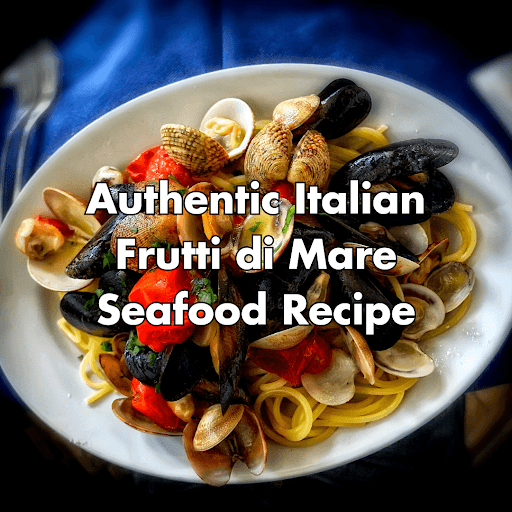
This is a white wine clam sauce tossed with spaghetti, fresh herbs, and sometimes cherry tomatoes. It is fresh, salty, light, and perfect for warm weather. It is one of the most famous Italian pasta dishes for a reason.
When made well, you taste the sea, not the seasoning.

Fettuccine Alfredo: The Real One
Authentic fettuccine alfredo is not the version drowned in cream that many people know. The real version from Rome is simply pasta tossed with butter and Parmigiano Reggiano. That is it. The creamy texture comes from the technique of combining pasta water with butter and cheese.
It is a great example of Italian dishes that prove how technique and good cheese matter more than long ingredient lists.

Pasta alla Siciliana and Other Regional Favorites
Italy has endless specialties. A few more worth noting in your pasta education:
- Pasta with tomato sauce and fresh herbs from the south
- Fresh pasta dishes from the Emilia Romagna region
- Classic pesto pasta from Liguria
- Pasta with ricotta and lemon from Sicily
- Pasta alla bolognese from northern Italy
Each one highlights how pasta shapes match the sauce and how local ingredients define a region.
Tips and Tricks for Better Pasta at Home
- Salt the boiling water until it tastes like the sea.
- Use room temperature cheeses when creating creamy emulsions.
- Reserve pasta water. It is liquid gold for sauces.
- Toss the pasta in the sauce; never pour sauce on top.
- Add fresh herbs at the end to protect their flavor.
- Use extra virgin olive oil, not the cheap stuff.
- Let the cooked pasta finish cooking in the sauce.
- For tomato-based sauce, use ripe tomatoes or good canned ones.
- Do not overcook your pasta. Al dente always tastes better.

Frequently Asked Questions (FAQs)
Q: What is the most authentic Italian pasta dish?
A: Many people consider cacio e pepe, carbonara, and pesto to be the most classically authentic, but it depends on the region.
Q: Why do Italian pasta dishes taste so different in Italy?
A: The ingredients are local, the cheeses are fresher, and the technique is precise. Italian cuisine relies on freshness and simplicity.
Q: Is fresh pasta better than dried pasta?
A: Fresh pasta works well with creamy or delicate sauces. Dried pasta works well with hearty or oil-based sauces. Neither is wrong.
Q: What pasta shape works best with tomato sauce?
A: Spaghetti, penne, rigatoni, and fusilli are classic choices because they hold tomato-based sauce well.
Q: How do I create a creamy sauce without cream?
A: Use pasta water with cheese, like in carbonara or cacio e pepe. The starch helps form a creamy texture.
Q: What Italian dishes should beginners start with?
A: Aglio e olio, pesto pasta, and amatriciana are simple dishes that teach good technique.