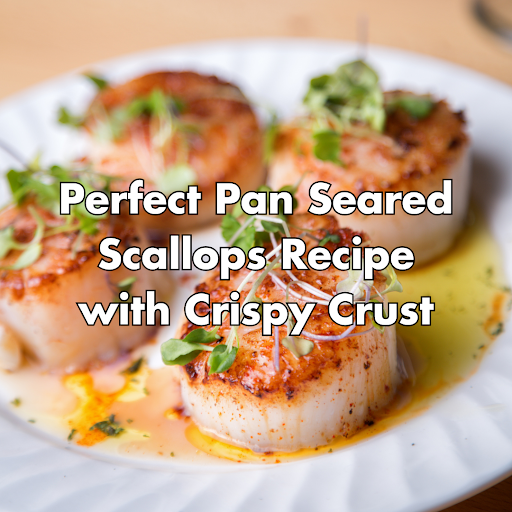
Seared scallops are one of those dishes that feel like they belong in a restaurant, but once you understand the technique, they’re surprisingly approachable at home.
I used to overthink them, worrying about timing, temperature, and whether I’d ruin an expensive ingredient.
Now I make them regularly because the process is actually very straightforward.
The key is understanding how pan-searing scallops works. You’re aiming for high heat, a hot pan, and a dry surface so you can get that golden, crispy crust while keeping the inside tender.
Why Seared Scallops Work So Well
Scallops cook quickly, which makes them ideal for a fast dinner or something a little more elevated without a ton of effort. When done right, you get a crisp exterior and a soft, almost buttery center.
What makes this recipe stand out is that contrast. It’s all about controlling moisture and heat so the scallops sear instead of steaming.
Ingredients and Why They Matter
Before jumping into the steps, I always like to think through what each ingredient is doing.
This keeps the recipe focused and helps you understand where you can adjust things later.
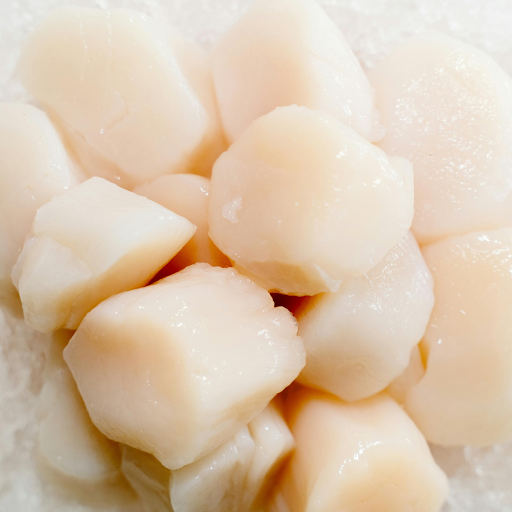
Scallops
Look for large sea scallops if possible. Fresh is ideal, but properly thawed frozen scallops work too.
Olive Oil
Used to coat the pan and help conduct heat. It also contributes to browning and flavor.
Salt
Enhances the natural sweetness of the scallops.
Black Pepper
Adds a little balance and depth without overpowering.
Butter
Optional, but I like adding it toward the end for extra richness.
White Wine
Used for a quick pan sauce after cooking. It helps lift any browned bits from the bottom of the pan and adds brightness.
Paper Towels
This might seem minor, but it’s one of the most important tools in the process. Dry scallops are the difference between a proper sear and a soggy result.
Let’s Walk Through the Process
I always think of this as a sequence rather than strict steps. Timing and attention matter more than anything else.
Step 1: Dry the Scallops Thoroughly
This is non-negotiable. I place the scallops on paper towels and pat them completely dry. If there’s moisture on the surface, they won’t sear properly.
Sometimes I even let them sit uncovered in the fridge for a bit to dry out further.
Step 2: Heat the Pan Properly
I use a heavy skillet, usually stainless steel or cast iron. The pan goes on medium-high to high heat until it’s fully heated.
You want a hot pan before anything goes in. If the pan isn’t hot enough, the scallops will stick and release moisture instead of forming a crust.
Step 3: Add Olive Oil
Once the pan is hot, I add olive oil and let it heat up just until it shimmers. This ensures even contact between the scallops and the bottom of the pan.
Step 4: Place the Scallops Carefully
I place each scallop in the pan and leave space between them. Overcrowding lowers the temperature and prevents proper browning.
Once they’re in, I don’t touch them. This is one of the hardest parts, but it’s essential.
Step 5: Let Them Sear
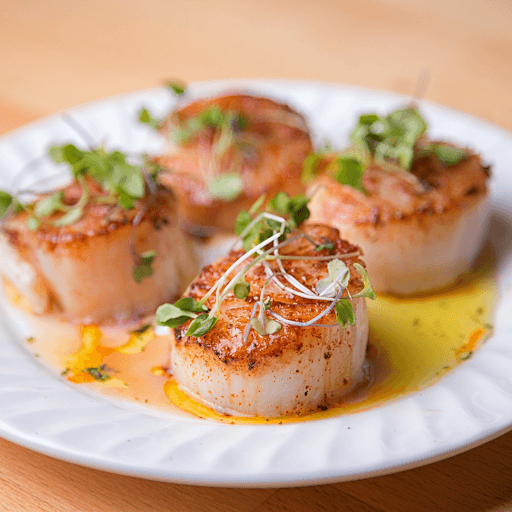
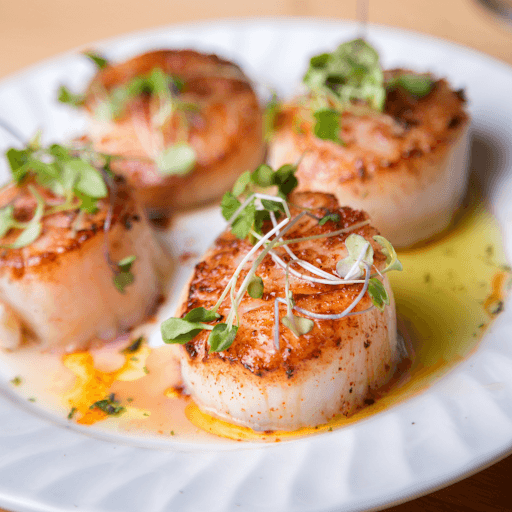
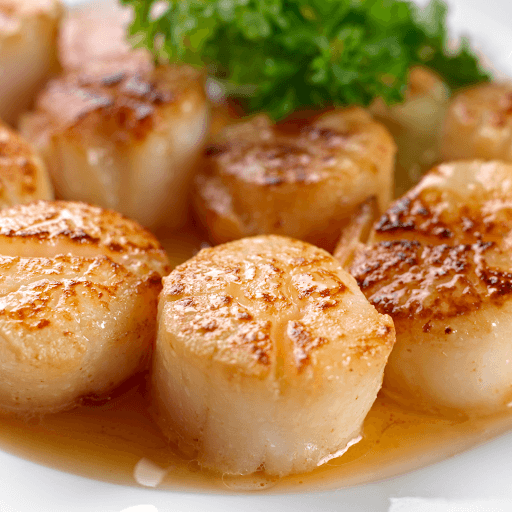
This is where pan-searing scallops really happens. The scallops need uninterrupted contact with the hot surface.
After a couple of minutes, they’ll naturally release from the bottom of the pan when a crust has formed. That’s your signal to flip.
Step 6: Flip and Finish
I flip each scallop and let the second side cook briefly. This side usually takes less time.
If I’m using butter, I add it here and let it melt around the scallops.
Step 7: Optional White Wine Finish
Once the scallops are removed, I sometimes deglaze the pan with a splash of white wine. It picks up all the flavor left behind and creates a simple sauce.
Tips That Make a Big Difference
- Dry scallops thoroughly with paper towels before cooking
- Use high heat and don’t rush the preheating step
- Avoid overcrowding the pan
- Don’t move the scallops while they’re searing
- Trust that they will release when ready
Common Mistakes to Avoid
Starting with a cold pan
This prevents proper searing and leads to sticking.
Wet scallops
Moisture causes steaming instead of browning.
Overcooking
Scallops cook quickly. Leaving them on too long makes them tough.
Moving them too soon
You need to let the crust form before flipping.
How I Serve Seared Scallops
This recipe is versatile, which is part of why I keep coming back to it.
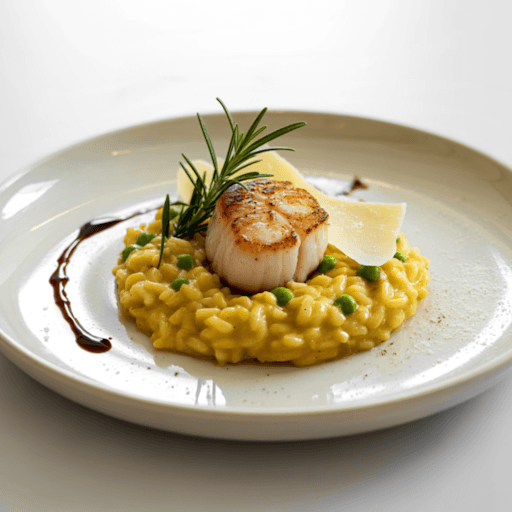
I like serving scallops:
- Over a simple salad
- With pasta
- Alongside vegetables
- As part of a larger dinner with multiple dishes
They work as a main or something smaller, depending on how you plate them.
Frequently Asked Questions (FAQs)
Q: How do I know when scallops are done?
A: They should be opaque in the center and slightly firm to the touch.
Q: Why aren’t my scallops getting a crust?
A: They’re likely too wet, or the pan isn’t hot enough.
Q: Can I use frozen scallops?
A: Yes, just make sure they are fully thawed and dried well.
Q: What type of pan is best?
A: A heavy pan, like stainless steel or cast iron, works best for even heat.
Q: Do I need butter?
A: No, but it adds richness if you want a more finished flavor.
Q: What kind of white wine should I use?
A: A dry white wine like Sauvignon Blanc or Pinot Grigio works well.
Once you get comfortable with pan-searing scallops, it becomes one of those techniques you can rely on anytime. It’s quick, it’s adaptable, and it consistently delivers something that feels well-executed without being complicated.
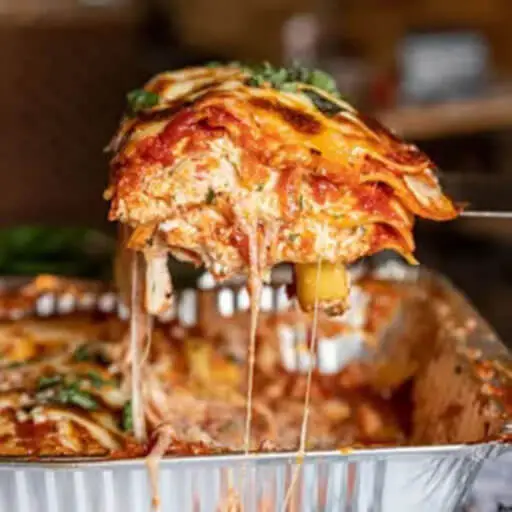
In an Italian kitchen, it’s all about comfort and flavor that comes together effortlessly, whether you’re searing scallops or baking pasta until golden. And if you’re in the mood for something rich and satisfying without the prep, our chicken broccoli alfredo baked ziti from the shop is always a great choice.
Print
Perfect Pan Seared Scallops Recipe with Crispy Crust
Ingredients
- 1 lb large sea scallops
- 1 to 2 tablespoons olive oil
- Salt to taste
- Black pepper to taste
- 1 tablespoon butter (optional)
- 1/4 cup white wine
Instructions
- Pat scallops dry thoroughly with paper towels.
- Heat a heavy pan over medium-high to high heat.
- Add olive oil and heat until shimmering.
- Place scallops in the pan, leaving space between each.
- Cook without moving for 2 to 3 minutes until a crust forms.
- Flip and cook for another 1 to 2 minutes.
- Add butter if using and baste briefly.
- Remove scallops from the pan.
- Deglaze with white wine if desired and serve immediately.