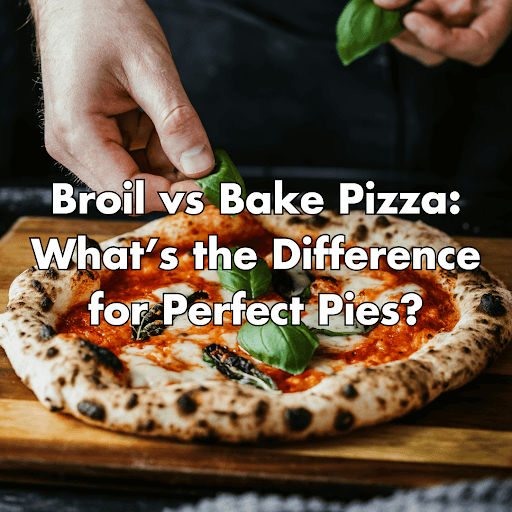
I can’t tell you how many times I’ve stood in my kitchen staring at the oven settings, wondering whether to broil or bake pizza. If you’ve been there too, you’re in the right place.
I’ve gone down this exact rabbit hole more times than I can count, testing different cooking modes, rack positions, and temperatures to figure out what actually gives you that perfect
pizza at home.
The short answer is that both methods have their place. The real difference comes down to heat source, intensity, and how the food cooks from top to bottom.
Once you understand that, it gets a lot easier to decide which approach to use depending on what kind of pizza you’re making.
Understanding the Basic Functionalities of Your Oven
Before getting into pizza specifically, it helps to understand the oven’s most-used modes.
Most home ovens, whether you have a gas oven or an electric oven, operate with two primary heating elements.
- The bottom heating element is what you use when you bake
- The top of the oven houses the broiler, which provides direct heat
When you bake, your oven circulates hot air at a steady, controlled temperature. This creates even heat distribution, which is why baking works well for things like a whole chicken, pork shoulder, or a dense casserole like baked ziti with chicken.
When you use the broil option, you’re exposing the surface of the food to intense heat from above. It’s similar to grilling, just flipped upside down. This is why broiling works well for thin cuts of meat, fish filets, pork chops, or lamb chops when you want a crisp exterior quickly.
These are two completely different cooking methods, and that’s exactly why they produce such different results when it comes to pizza.
What Happens When You Bake Pizza
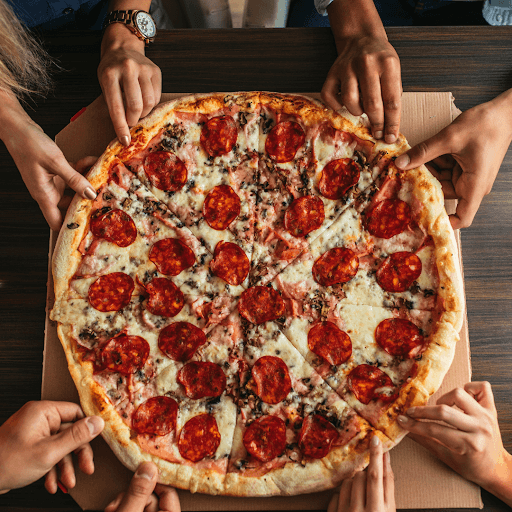
When I bake pizza in a conventional oven, I’m relying on consistent heat and time. The oven reaches a desired temperature, usually on the higher end, and the pizza bakes evenly from all sides.
This is the best way to cook most homemade pizza, especially if you’re working with thicker dough or a larger volume of toppings.
Why Baking Works
- The bottom heating element helps develop a crispy crust
- Hot air surrounds the pizza for even cooking
- The cheese melts gradually without burning
- The pizza dough cooks all the way through
If you’re using a pizza stone or baking steel, this method gets even better. Both act as a preheated baking surface that mimics the floor of a professional pizza oven.
I personally prefer baking steel because it holds more heat, which helps create a crisp exterior on the pizza crust.
Where to Place Your Pizza
Placement matters more than people think.
- Middle rack: best for most pizzas
- Lower rack: better if you want extra crisp on the bottom
- Top rack: not ideal for baking alone, since the top of the pizza can overcook
For best results, I usually stick with the middle rack unless I’m trying to push more heat into the crust.
What Happens When You Broil Pizza
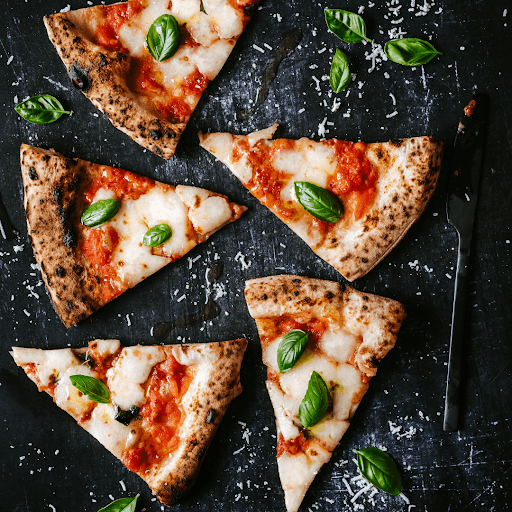
Broiling is a completely different experience. Instead of surrounding your pizza with hot air, you’re blasting the top of the pizza with direct heat from the broiler.
This is high heat, fast cooking, and it’s very easy to overdo it.
Why Broiling Works
- It delivers intense heat to brown food quickly
- It creates that golden-brown crust on cheese
- It finishes a pizza in a shorter amount of time
The broiler method is not something I use to cook a pizza from start to finish. Instead, I use it at the end to finish the final product.
Think of it as the last step to take a good pizza and make it look like a restaurant-worthy pie.
The Primary Differences Between Broil and Bake
Here’s how I think about it in the simplest terms:
Bake
- Uses lower temperatures compared to broiling, but still high temperatures overall
- Heat comes primarily from the bottom heating element
- Food cooks evenly throughout
- Ideal for cooking the full pizza
Broil
- Uses a lot of heat from the top of the oven
- Direct heat hits the surface of the food
- Works in short bursts of time
- Ideal for finishing
The biggest difference is where the heat is coming from and how it interacts with the pizza.
The Best Way to Combine Both Methods
This is where things really click.
The best way I’ve found to make a perfect pizza at home is to combine baking and broiling in a similar process.
- Start by baking your pizza at high temperature on a pizza stone or baking steel.
- Let the crust set and the toppings cook through
- Turn on the broil button for the last 1 to 2 minutes
- Move the pizza closer to the top rack if needed
- Watch closely with the oven door slightly open to avoid burning
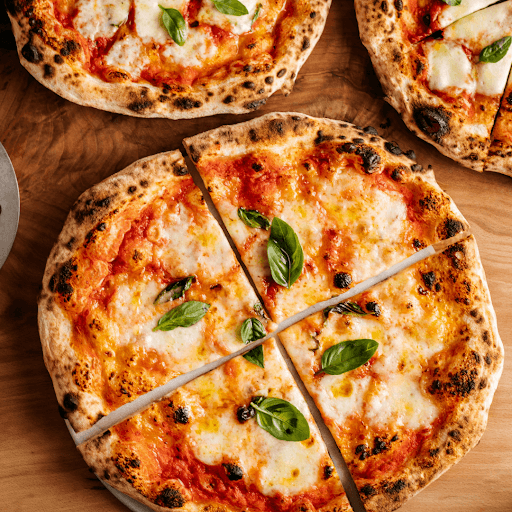
This gives you a crispy crust on the bottom and that golden-brown crown of melted cheese on top.
Tools That Actually Make a Difference
Pizza Stone vs Baking Steel
Both are great, but they behave a little differently.
- Pizza stone or baking stone: more forgiving, holds steady heat
- Baking steel: delivers higher temperatures and better browning
If your goal is a good pizza with minimal effort, either works. If you’re chasing New York pies at home, I lean toward a baking steel.
Cast Iron Skillet
A cast iron skillet or cast-iron skillet is one of my favorite hacks. It holds heat extremely well and creates a thick, crispy crust. It’s especially useful if you’re working with a thicker cut of dough.
Pizza Screen or Baking Sheet
If you’re just getting started, a baking sheet or pizza screen works fine. It won’t retain as much heat, but you’ll still get a solid result.
Broiling Isn’t Just for Pizza
Understanding broiling helps beyond pizza.
I use the broiler for:
- Browning the top of a casserole
- FinishingFrenchh onion soup
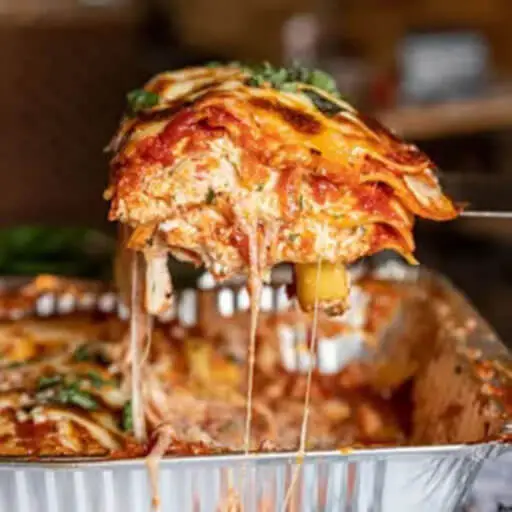
- Crisping up the top of a baked ziti with chicken
- Quickly cooking thin cuts of meat
It’s also helpful when you want to brown food without extending cooking time.
That’s how I’ve always looked at Italian cooking—simple food, done right, with flavors that speak for themselves. And if you want to keep that going without cooking from scratch, our chicken parm tray from the shop is worth a look.
Understand Your Oven Settings
Not all ovens behave the same. A gas oven often has more moisture, while an electric oven can feel drier and more consistent. A convection oven moves hot air around, which can help with heat distribution but may also cook the top of the pizza faster than expected.
The best way to figure this out is to test your own oven settings and adjust based on how your pizza bakes over time. There is no single perfect setup that works for everyone.
Common Mistakes I See All the Time
Using the Broiler Too Early – If you start with the broiler, the top of the pizza will burn before the crust is cooked.
Not Preheating Enough – High heat is critical. Whether you’re using a home oven or a convection oven, you need to give it time to fully preheat.
Ignoring Rack Position – The position of the oven racks changes everything. Too high, and the pizza burns. Too low, and you lose browning.
Overloading the Pizza – Too many toppings can prevent the pizza dough from cooking properly.
Tips for Getting the Best Results Every Time
- Preheat your pizza stone or baking steel for at least 30 to 45 minutes
- Use parchment paper if you’re worried about sticking
- Keep toppings balanced to avoid a soggy crust
- Add a little bit of oil to help with browning
- Finish with broiling for that final touch
These small adjustments make a big difference in the final product.
What About Frozen Pizza?
Frozen pizza is actually a great example of when to use both methods.
I usually:
- Bake it according to package instructions
- Turn on the broil option for the last minute or two
This helps crisp up the top of the pizza and improve the overall texture without much effort.
Not every pizza should be treated the same way.
- Thin, New York-style pies benefit from high heat and a baking steel
- Thicker cuts of dough or pan pizzas do better with slightly lower temperatures and longer cooking time
- A cast-iron skillet works well for a crisp, structured crust
The right technique depends on what you’re making, not just the oven settings.

Why This Matters More Than You Think
Once you understand how heat works in your oven, you start applying it everywhere.
This isn’t just about pizza. It’s about learning how food cooks, how heat distribution changes outcomes, and how to use your oven settings intentionally.
Even chefs like Heston Blumenthal have talked about how controlling heat is one of the most important parts of cooking.
Frequently Asked Questions (FAQs)
Q: Should I bake or broil pizza?
A: Bake your pizza first, then use the broiler method at the end for the best results.
Q: What temperature is best for baking pizza?
A: Use the highest temperature your oven allows, usually between 475°F and 500°F.
Q: Can I cook pizza entirely under the broiler?
A: No, the crust won’t cook properly before the top burns.
Q: Is a pizza stone or a baking steel better?
A: Both work, but a baking steel gives better heat transfer and a crispier crust.
Q: Where should I place my pizza in the oven?
A: The middle rack is the safest starting point, with adjustments depending on your oven.
Q: Do I need a convection oven?
A: No, a conventional oven works perfectly fine if you manage heat and timing correctly.

For me, the difference between broil and bake isn’t about choosing one over the other. It’s about knowing when to use each.
Baking builds the structure of the pizza. Broiling refines it.
Once you start combining both techniques with the right tools and a little awareness of how your oven works, you get consistently better pizza at home.
And after that, it’s just about tweaking your process next time until you land exactly where you want to be.