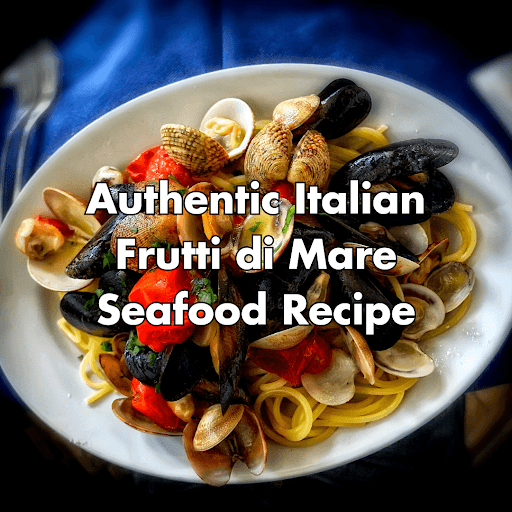
Frutti di mare is one of those dishes that I have to order when I see it on the menu.
It’s also a dish I make when I want something that feels a little fancy but still simple in its technique.
It’s a true “fruit of the sea” dish in every sense, built around a variety of seafood and a sauce that’s meant to support, not overpower.
If you’re a seafood lover, this is one of the best ways to showcase the freshest seafood you can get your hands on.
And the good news is, once you understand the rhythm of how it comes together, it’s actually a very manageable dish to cook at home.
What Makes Frutti di Mare “Authentic”?
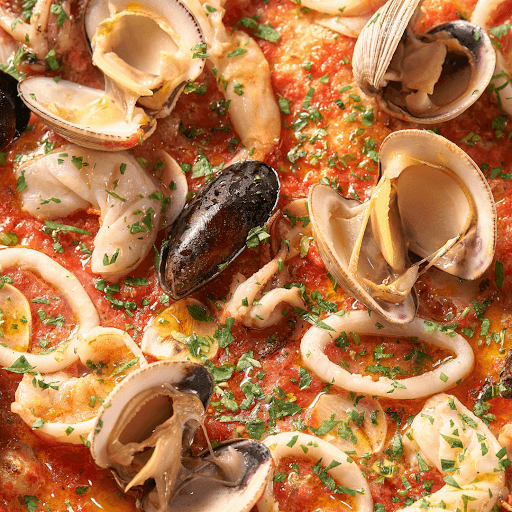
When people think of frutti di mare, they often picture a big bowl of pasta loaded with shrimp, clams, and mussels in a red sauce. That’s definitely one version, and it’s the one I make most often, but authenticity isn’t about loading it up or making it heavy.
The most important thing is the freshness of the ingredients and letting the fruits of the sea shine. Traditional Italian cooking keeps things simple. The sauce should complement the seafood, not cover it up.
You’ll see variations across Italy, but a tomato-based version with olive oil, garlic, and a crisp white wine is one of the most popular choices, especially along the coast.
Choosing the Right Seafood
This is where the dish is won or lost.
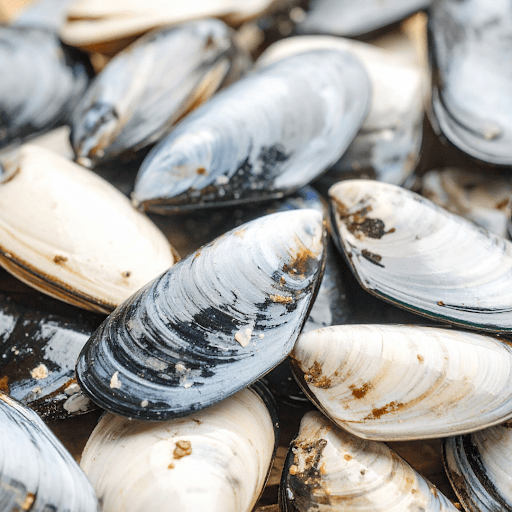
I always say this is not the time to cut corners. If you can get fresh seafood, do it. Go to a good grocery store or fish market and ask what came in that day. The better the seafood, the better the final dish.
Here’s what I typically use:
- Shrimp
- Mussels
- Clams
- Calamari
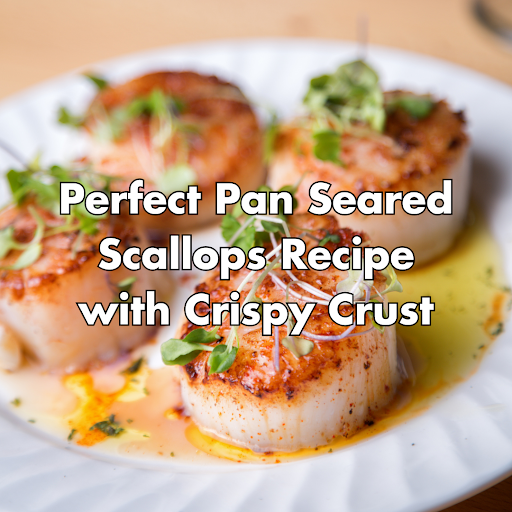
- Scallops
You don’t need all of these every time. Even a smaller variety of seafood works as long as it’s fresh. The goal is balance, not overload.
Ingredients and Why They Matter
Before getting into the actual cooking, I like to think through each ingredient and its role. This helps keep the dish focused and intentional.
Olive Oil
This is your base. It carries flavor and starts the entire dish. Use a good one because you’ll taste it.
Garlic
Builds that foundational flavor. It should be noticeable but not overpowering.
Crushed Tomatoes or Tomato Sauce
This is where your red sauces come in. I like a slightly chunky tomato base that feels rustic but still light.
White Wine
A crisp white wine adds acidity and brightness. It also helps lift the flavor of the seafood and balance the richness of the sauce.
Red Pepper Flakes
Optional, but I almost always include them. They create a subtle spicy tomato sauce that adds depth without overwhelming the dish.
Fresh Herbs
Parsley is my go-to. It adds freshness at the end and keeps everything from feeling too heavy.
Pasta
Linguine or spaghetti are the most common. You want something that can hold onto the sauce without getting lost.
Let’s Walk Through the Cooking Process
This is where timing really matters, so I like to think of it as a sequence rather than a strict set of steps.
Start with the Base
I begin by heating olive oil in a large pan over medium heat. Once it’s warm, I add the garlic and let it cook just until fragrant. You don’t want it browned, just softened and aromatic.
If I’m using red pepper flakes, I add them here. This is how I build that slightly spicy tomato sauce right from the start.
Build the Sauce
Next, I pour in the crushed tomatoes and let everything simmer gently. This is not a long cook. You’re just giving the flavors time to come together.
Then comes the white wine. This is one of the most important steps. The wine adds acidity and complexity, and it helps balance the richness of the tomatoes.
At this point, the sauce should taste light, slightly briny, and not too thick.
Cook the Seafood in Layers
This is where people often go wrong. Not all seafood cooks at the same rate, so you can’t just throw everything in at once.
I start with the shellfish, like clams and mussels. They take a little longer and also release liquid that enhances the sauce.
Once they begin to open, I add the shrimp and scallops. These cook quickly, so you want to time this carefully.
Calamari goes in last because it can become tough if overcooked.
The key here is to watch, not rush. As soon as everything is just cooked through, you’re done.
Bring It All Together
While the seafood is cooking, I have my pasta going in a separate pot. I always salt the water well so the pasta itself has flavor.
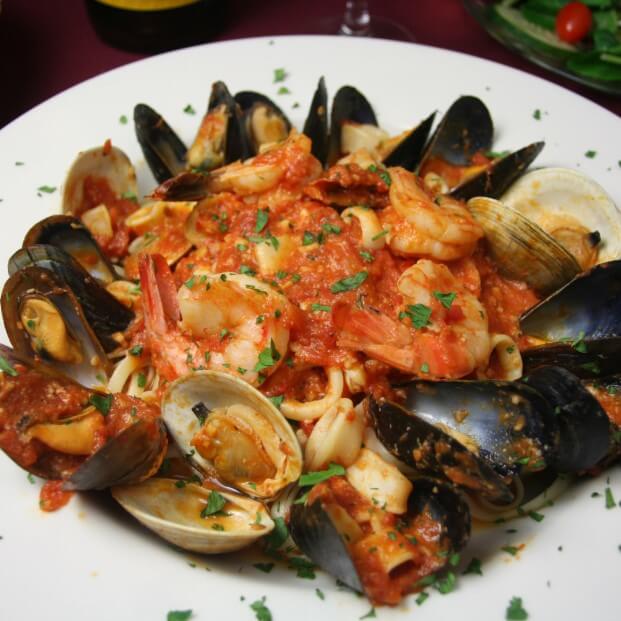
Once the pasta is cooked, I transfer it directly into the pan with the sauce and seafood. A little pasta water helps loosen everything and bring it together.
I finish with fresh herbs and give everything a gentle toss.
Tips That Actually Make a Difference
- Don’t overcook the seafood. This is the number one mistake
- Use a crisp white wine you would actually drink
- Keep the sauce light. This is not meant to be heavy or overly thick
- Taste as you go. Adjust salt and acidity at the end
- Work quickly once the seafood goes in

Variations I Like to Make
Once you’ve made this once or twice, it’s easy to adjust.
- Skip the tomatoes and go with an olive oil and white wine base for a lighter version.
- Add more heat if you like a spicier sauce
- Use only shrimp and clams if you want to simplify
There’s no single right way, as long as you respect the ingredients and the cooking process.
How I Serve It
This is one of those dishes that feels right for a lot of different occasions.
- A casual dinner when you want something a little better than your usual weeknight meal
- A dinner party where you want something impressive but manageable
- Anytime you find great seafood and want to highlight it
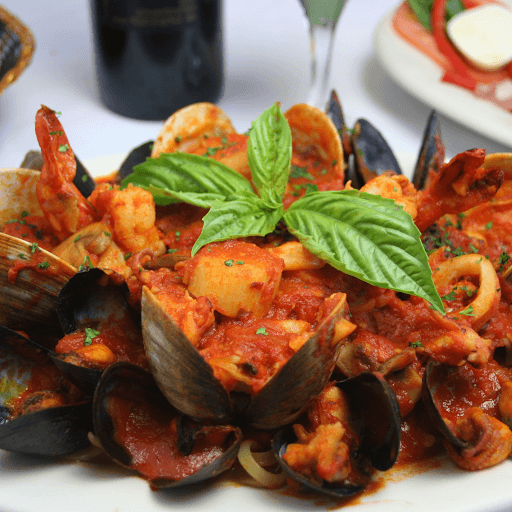
I usually serve it with a simple salad and maybe some bread, but honestly, it stands on its own.
In a proper Italian kitchen, it’s all about letting bold flavors come together naturally, whether it’s seafood pasta or something straight from the skillet. And if you’re craving that same comfort without the prep, try our Italian sausages with peppers and onions from the shop are always a solid choice.
Frequently Asked Questions (FAQs)
Q: What is frutti di mare?
It translates to “fruit of the sea” and refers to a dish made with a variety of seafood, often served with pasta.
Q: Can I use frozen seafood?
Yes, but fresh seafood will always give you better flavor and texture.
Q: What kind of wine should I use?
A crisp white wine like Pinot Grigio or Sauvignon Blanc works well.
Q: How do I know when the seafood is done?
Shrimp should be pink and firm, mussels and clams should open, and scallops should be opaque.
Q: Can I make this ahead of time?
It’s best served fresh. Seafood can become overcooked if reheated.
Q: Do I need all types of seafood?
No, you can use a smaller selection. The key is using a good variety of seafood that’s fresh.
This is one of those dishes that really comes down to respecting the ingredients and paying attention while you cook.
Once you get the timing down, it becomes something you can pull off with confidence any time you want a seafood dish that feels both classic and completely satisfying.

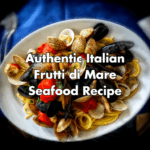
Authentic Italian Frutti di Mare Seafood Recipe
Ingredients
- 12 oz linguine or spaghetti
- 2 tablespoons olive oil
- 4 cloves garlic, minced
- 1/2 teaspoon red pepper flakes
- 1 can (28 oz) crushed tomatoes
- 1/2 cup crisp white wine
- 1/2 lb shrimp, peeled and deveined
- 1/2 lb mussels, cleaned
- 1/2 lb clams, cleaned
- 1/2 lb scallops
- 1/2 lb calamari, sliced
- Salt to taste
- Fresh parsley, chopped
Instructions
- Bring a large pot of salted water to a boil and cook pasta according to package instructions.
- Heat olive oil in a large pan over medium heat. Add garlic and red pepper flakes, cooking until fragrant.
- Add crushed tomatoes and simmer for 5 to 10 minutes.
- Pour in white wine and let the sauce simmer for a few more minutes.
- Add clams and mussels first. Cover and cook until they begin to open.
- Add shrimp and scallops, cooking until just opaque.
- Add calamari last and cook briefly.
- Transfer cooked pasta into the pan and toss to combine. Add a splash of pasta water if needed.
- Finish with fresh parsley and adjust seasoning.