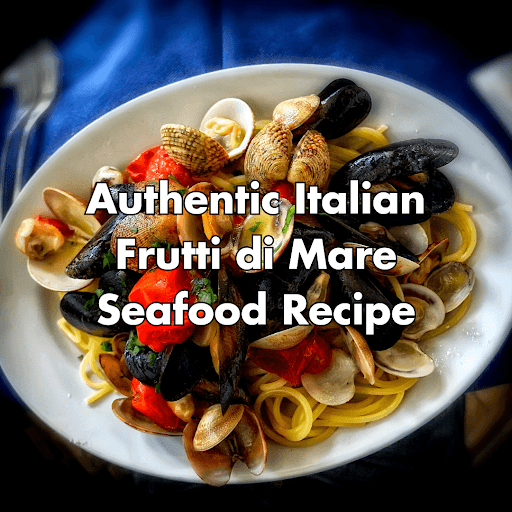

I still remember the first sip of limoncello I ever had. I was sitting at a tiny restaurant on the Amalfi Coast, full from a seafood pasta that I wish I could eat every day.
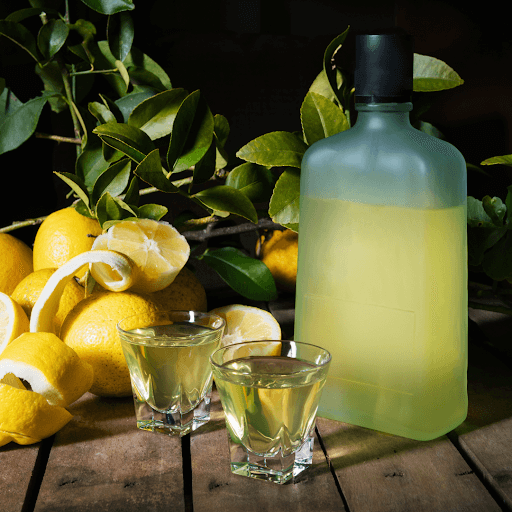
The server brought over a chilled little bottle and some frosty shot glasses. “Compliments of the house,” he said.
And just like that, I was introduced to what would become my favorite after-dinner drink.
Fast forward to today, and I’m fully obsessed with making my own homemade limoncello.
I’ve tested, tweaked, and tasted more than a few batches, and now I swear by my own limoncello recipe.
What Is Limoncello, Anyway?
Limoncello is a lemon liqueur that originated in Southern Italy, especially along the Amalfi Coast, in Sorrento, and on the island of Capri.
It’s citrusy, sweet, strong, and oh-so smooth. It’s typically served cold in small glasses as a palate cleanser or digestive.
What makes limoncello special is how few ingredients it requires and how much joy it brings.
The key is to let the lemon peels infuse in pure alcohol, extracting all their essential oils, before mixing that with a sugar syrup. That’s it.
Let’s Talk Lemons
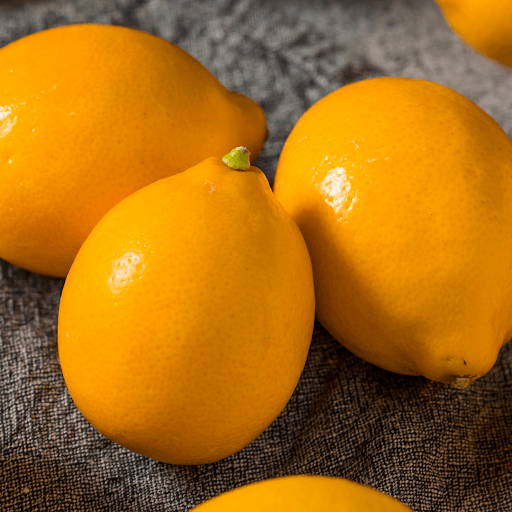
This is where I get picky. Fresh lemons are everything here. You want the best lemons you can find, preferably organic, unwaxed, and vibrant yellow.
If you can track down Sorrento lemons or Meyer lemons, even better. At the size of grapefruits and intensely fragrant, these lemons are famous for a reason.
Make sure you wash your lemons well and dry them before peeling. You’ll be using the outer peel (just the yellow part of the rind) because the white pith is bitter and can totally wreck your batch if you include too much.
I use a vegetable peeler or a small sharp knife, whichever gives me cleaner, long strips without pulling off too much of the white part of the lemon.
Alcohol Options: The Stronger, the Better?
Traditional limoncello is made with pure grain alcohol, which is usually around 190 proof. It extracts the oils from the lemon skins much faster and more efficiently than lower proof alcohol like vodka. But grain alcohol isn’t always easy to find, and depending on where you live, it might not even be available at your local liquor store.
If that’s the case, don’t stress. You can absolutely use lower proof alcohol—just know that you may need a longer infusion time and may get a slightly lighter flavor. I’ve also used a mix of vodka and Everclear when I didn’t have enough of either, and it still turned out beautifully.
A Little Limoncello History
Some say the first batch of limoncello was made by nuns in a convent on Capri. Others give credit to an innkeeper named Massimo Canale, who registered the “Limoncello” trademark in the 1980s.
Regardless of its true origin, it’s now deeply woven into Italian food culture—especially in regions where lemon trees thrive under the Mediterranean sun.
Today, authentic Italian limoncello recipes are protected under geographical indication laws in Italy. But that doesn’t mean you can’t channel the spirit of Sorrento from your own kitchen.
My Step-by-Step Authentic Homemade Limoncello Recipe
What You’ll Need:
- 10–12 organic lemons
- 750ml pure grain alcohol (or substitute)
- 3 cups white sugar
- 3 cups water (adjust for more/less sweetness)
- A large glass jar or large glass container
- A vegetable peeler or potato peeler
- A coffee filter, cheesecloth, or fine mesh strainer
- Glass bottles for storage
- A cool dark place for infusion
Step 1: Peel the Lemons
Use your peeler to remove only the yellow zest, leaving behind the white pith. Add the peels to your large jar.
Step 2: Add Alcohol
Pour in your alcohol, seal the jar, and place it in a cool, dark place for at least 7 days (up to 30).
Step 3: Strain
After the infusion period, strain the liquid to remove the lemon rinds. You should be left with a golden, lemon-infused alcohol.
Step 4: Make Simple Syrup
In a large saucepan, heat equal parts white sugar and water until the sugar dissolves. Let it cool to room temperature.
Step 5: Combine & Bottle
Mix the syrup with your lemon alcohol. Pour into fancy bottles or glass bottles. Refrigerate or freeze.

How to Serve Limoncello
Limoncello should be served cold, ideally straight from the freezer. The high alcohol content prevents it from freezing solid, so it’s always ready to pour into shot glasses. It’s the perfect after-dinner drink, but don’t limit yourself—here are a few other ways to enjoy it:
- Drizzle over vanilla ice cream or lemon sorbet
- Mix into a lemon drop martini or a spritz
- Add to sparkling water for a refreshing aperitif
- Use in baking for cakes, glazes, or lemon bars
Cooking & Baking with Limoncello
If you’re not drinking it, you should definitely be cooking with it. It adds bold citrus flavor to all kinds of dishes—especially desserts.

Some of my favorite uses:
- Limoncello whipped cream: fold into whipped cream for topping fruit
- Limoncello glaze: mix with powdered sugar for a zippy cake topper
- Limoncello cupcakes: add a tablespoon to your batter and frosting
- Limoncello cheesecake: trust me on this one
You can even use it in savory dishes, like a lemony vinaigrette or as part of a marinade for chicken or seafood.
Common Limoncello Mistakes (I’ve Made Them So You Don’t Have To)
- Too much pith: your limoncello will be bitter.
- Not enough infusion time: you won’t get that intense lemon flavor.
- Too much sugar syrup: the final product will be cloying. Try less sugar or less water next time.
- Skipping the strain step: don’t leave little bits of zest behind; they’ll mess with the texture.
- Using waxed lemons: if they’re not organic, scrub thoroughly—or don’t use them at all.
Limoncello vs. Other Liqueurs
If you’re wondering how limoncello stacks up against other liqueurs, here’s the rundown:
- Limoncello: bright, citrusy, and sharp. Best enjoyed cold and neat.
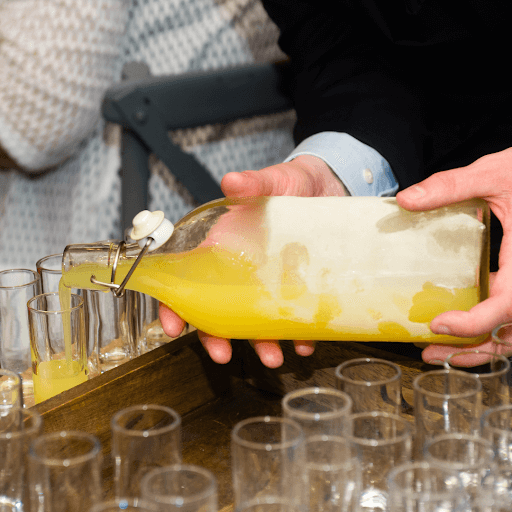
- Crema di Limoncello: a creamier version made with milk or cream in the syrup.
- Triple sec or Cointreau: orange-based and drier.
- Ouzo: anise-flavored and clear, but also turns cloudy with water (same ouzo effect).
- Liqueurs like amaretto or sambuca: sweeter, dessert-like but not citrus-forward.
If you love any of the above, you’ll probably be obsessed with limoncello—especially a homemade Italian liqueur with your own tweaks.
For Personal Use or Homemade Gifts?
Honestly, both. I always make a double batch—one for personal consumption, one for gifting. A cute decorative bottle with a label or ribbon turns your kitchen hobby into the perfect homemade gift.
Bonus: your friends and family will think you’re a genius. And they’ll beg for more.
Frequently Asked Questions
Q: Can I use lemon zest instead of peels?
A: You can, but long strips of peel are easier to strain out and give a cleaner infusion. Just avoid the white pith.
Q: How long does limoncello last?
A: Months! Store in a cool place, the fridge, or freezer.
Q: Can I use honey or raw sugar?
A: You can, but it’ll change the flavor profile. If you’re aiming for authentic Italian limoncello, stick with white sugar.
Q: What if I don’t have a coffee filter?
A: A fine mesh strainer or cheesecloth works. Just make sure it catches all zest and solids.
Q: How do I know when the lemon peels have infused enough?
A: The alcohol will turn a bright yellow and smell intensely lemony. If you’re using high-proof alcohol, 7–10 days is usually enough. For lower proof, give it at least 2–3 weeks. Taste and smell are your best guides.
Q: Can I reuse the lemon peels for a second batch?
A: Technically, yes—but the second infusion will be much weaker. Most people discard the peels after one use, or use them to flavor sugar or vodka for other recipes.
Q: Can I use bottled lemon juice instead of peels?
A: No. The magic of limoncello comes from the oils in the peel, not the juice. Lemon juice is too acidic and can throw off the balance of the liqueur.
Q: How strong is homemade limoncello?
A: It depends on the alcohol and how much syrup you add. With high-proof grain alcohol and a 1:1 syrup dilution, it usually ends up around 30–34% alcohol by volume (ABV). Use lower-proof vodka and more syrup, and you’ll get a milder version around 20–25% ABV.

There’s something incredibly rewarding about crafting your own homemade limoncello. Whether you’re chasing memories of the Amalfi Coast or just trying to use up a bunch of peeled lemons, there’s joy in the process and the result is gold.
The first sip will transport you to Southern Italy. And the best part? You made it yourself.