
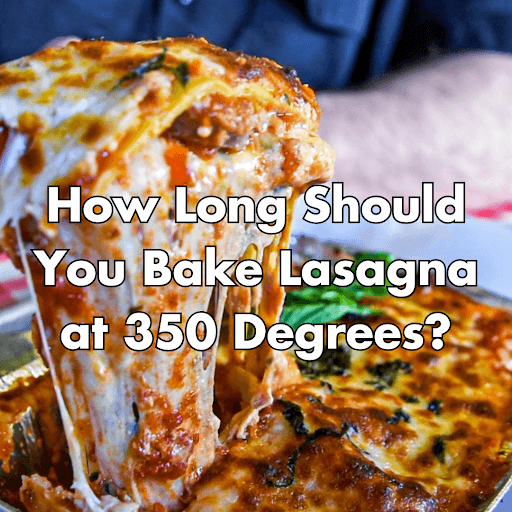
If you’ve read any of the blog posts I’ve written for Mortadella Head, you know I’m a huge foodie.
I love learning about food, cooking, and going out to eat. I’m always game to try new recipes and food products, especially when they promise comfort and familiarity.
So when Mortadella Head started shipping their frozen goods, I knew I had to try some. Research, am I right?
In case you didn’t know, Mortadella Head, the famous pizza shop in Somerville, MA, ships their Italian goods all over the country. Yes, you read that right. The duo behind this popular restaurant prepares their Italian-American recipes so they can be frozen and shipped straight to readers and customers just like you.
Which brings me to today’s post, all about lasagna—and more specifically, how long to bake a lasagna so it comes out just right.
I grew up eating lasagna—who didn’t?—so tasting Mortadella Head’s version felt especially nostalgic. Whether it’s a classic lasagna recipe or something with a bit of flair, I’m always down to try it. Making lasagna is fairly easy, but when the work is done for you, everybody’s digging in.
Let’s talk about the elements of the perfect lasagna. In my opinion, it’s one of the most comforting Italian dishes out there, thanks to those rich, cheesy layers.
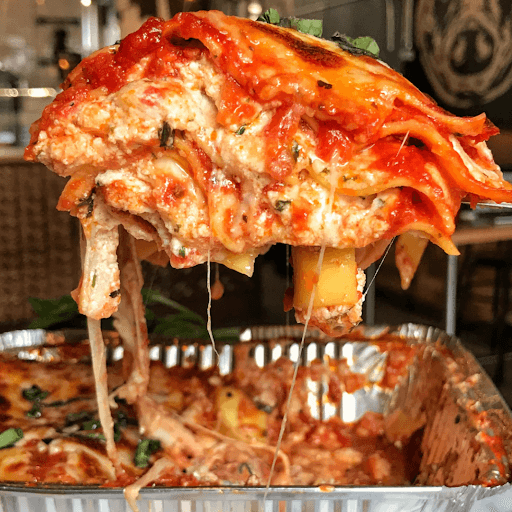
Elements of the Perfect Lasagna
Lasagna Noodles
- Traditional Boil vs. Oven-Ready Noodles: Traditional noodles require boiling to an al dente texture, meaning they’re firm but not fully cooked. This is key to avoiding undercooked lasagna. Oven-ready noodles save cooking time but may require extra sauce for moisture.
- The Boiling Process: For traditional noodles, place them in a large pot of boiling water with a pinch of salt for 10-15 minutes, then drain and lay them out on a rimmed baking sheet with a drizzle of olive oil to prevent sticking.
The Meat Sauce
- Key Ingredients: Start with ground beef, Italian sausage, and diced onions cooked in a large skillet over medium-high heat. Add marinara sauce, a can of tomato paste, and Italian seasoning for depth. For a twist, try ground turkey as a leaner option.
- Cooking the sauce on medium heat allows it to simmer and meld, resulting in a flavor-packed base. Don’t forget fresh basil and black pepper for an aromatic kick.
Cheese Layers
- Ricotta Mixture: Mix ricotta cheese, Parmesan cheese, and an egg for a creamy, flavorful filling. Some like to use a cottage cheese mixture for a tangier taste.
- Mozzarella Cheese: Shredded mozzarella cheese is layered for that iconic gooey stretch. Be sure to add extra on the top layer for a golden brown finish.
Layering Techniques
- Building Layers: Start by spreading a thin layer of sauce at the bottom of the baking dish to prevent sticking. Then, add a single layer of noodles, a layer of the ricotta mixture, followed by more sauce, and sprinkle mozzarella. Repeat until you reach the top of the baking dish, finishing with a layer of mozzarella and remaining sauce for a rich finish.
- Baking Tips: For the best results, cover the lasagna with aluminum foil to trap heat and moisture for the first half of the baking time, then uncover to achieve a golden crust.
Cooking Time and Temperature
- Ideal Temperature: Bake lasagna at either 350°F or 375°F. Baking time may vary depending on the type of lasagna and whether you use uncooked noodles or pre-boiled ones.
- Internal Temperature: Use a meat thermometer to ensure the internal temperature reaches 165°F for a safe, thoroughly cooked dish.
Let It Rest
- Cool for Best Slicing: After baking, let the lasagna rest for 10-15 minutes. This helps it set, making it easier to slice and serve.
Why 350°F is Ideal for Baking Lasagna
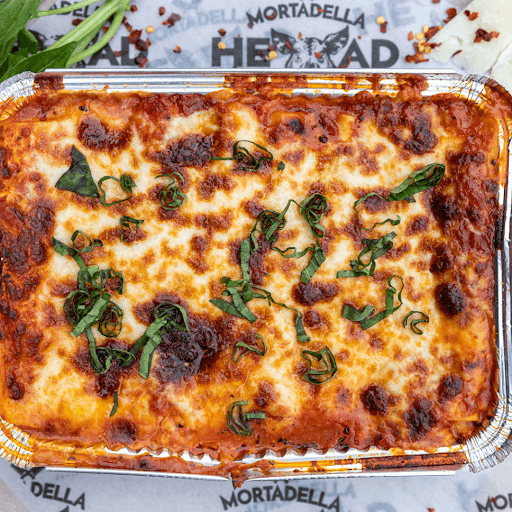
Cooking lasagna at 350°F gives it enough time for the ingredients to combine without drying out. This temperature allows the cheeses to melt beautifully, the pasta to soften, and the sauce to bubble up into every layer, creating the ultimate Italian comfort food experience. This “slow and steady” approach ensures that every slice holds its shape and that you get consistent flavors in every bite.
Whether homemade or ordering Mortadella Head’s frozen version, this classic Italian dish is perfect for gatherings, holidays, or an indulgent night in.
When it comes to baking lasagna at 350°F, there’s a simple pleasure in the slow, even cooking that this temperature offers. Baking lasagna at 350°F allows the layers to meld together, creating that delicious harmony of flavors that makes it a crowd favorite. If you’re enjoying Mortadella Head’s frozen lasagna, following a few key steps at this temperature will help ensure the perfect, restaurant-quality result.
Advantages of Baking Lasagna at 350°F
Choosing a lower temperature like 350°F for lasagna offers several advantages:
- Even Melting of Cheese: Lasagna’s signature cheesy layers—ricotta mixture, mozzarella, and Parmesan cheese—benefit from a gradual melt that infuses the pasta with creamy flavor.
- Perfect Pasta Texture: Whether you’re using oven-ready noodles or pre-cooked pasta, 350°F allows the pasta to soften without becoming mushy. It’s the key to achieving that perfectly al dente texture.
- Rich, Melded Flavors: At 350°F, the marinara sauce, ground beef or sausage, and ricotta mixture combine beautifully, giving each bite a taste of Italy.
Cooking Time Tips for Perfect Lasagna
Different factors can influence the cooking time of your lasagna, including the size of the pan, the type of noodles, and whether it’s fresh or frozen. For best results:
- Fresh Lasagna: If you’re making fresh lasagna, bake it for around 45 minutes covered, then 10-15 minutes uncovered.
- Frozen Lasagna: For Mortadella Head’s frozen lasagna, 60-75 minutes at 350°F is ideal, ensuring even cooking without the risk of a cold center.

Tips for the Best Lasagna
For the ultimate lasagna, here are some of my favorite tips:
- Use Fresh Herbs: Fresh basil and Italian seasoning add a vibrant flavor that dried herbs just can’t match.
- Avoid Undercooked Lasagna: If you use oven-ready noodles, the sauce should be slightly watery to help soften the noodles during baking. Adding extra sauce ensures the noodles cook fully, avoiding any crunch.
- Store Leftovers Properly: If you’re lucky enough to have leftover lasagna, wrap it tightly in plastic wrap and refrigerate. Lasagna reheats well and is even tastier the next day.
- Freezing for Later: Wrap leftover portions in plastic wrap followed by aluminum foil for best results in the freezer.
Mortadella Head’s Frozen Lasagna Option
Don’t feel like spending hours in the kitchen? Mortadella Head’s frozen lasagna options are an excellent choice for anyone craving authentic Italian lasagna. Our lasagnas are made fresh with high-quality ingredients and shipped frozen, so you can enjoy a delicious lasagna without all the prep. Just bake, serve, and savor the taste of Italy!
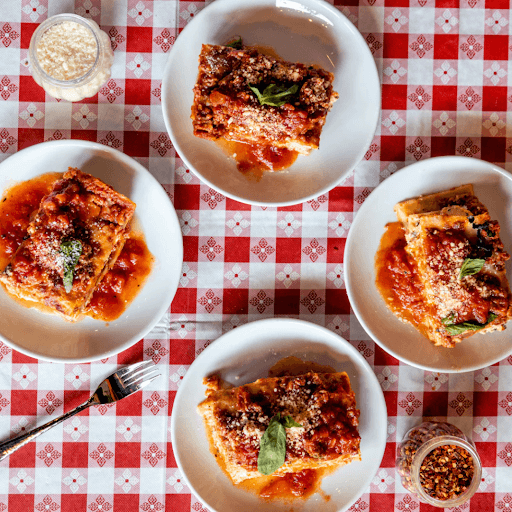
Recommended Sides to Serve with Lasagna
A lasagna dinner wouldn’t be complete without a few classic sides. Here are some delicious ideas to round out your meal:
- Garlic Bread: Perfect for sopping up any extra sauce, garlic bread adds a satisfying crunch.
- Side Salad: A fresh salad with Italian dressing or balsamic vinaigrette helps balance the richness of lasagna.
- Roasted Vegetables: Seasonal roasted veggies like zucchini, bell peppers, or eggplant add a healthy, flavorful contrast.
Keeping Leftovers Fresh
If you have leftover lasagna, storing it properly is essential. Wrap it tightly in plastic wrap and then a layer of aluminum foil to lock in moisture, or store it in an airtight container. Reheat at 350°F for about 20-25 minutes or until warmed through. Leftover lasagna often tastes even better the next day as the flavors continue to develop.
Mortadella Head’s Lasagna Options
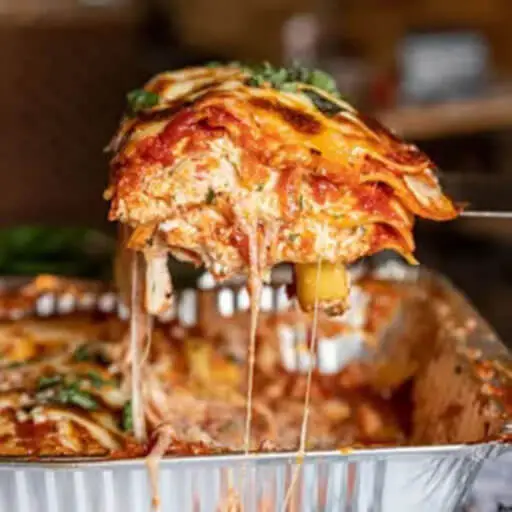
For those who want authentic Italian lasagna without the work, Mortadella Head offers a range of delicious frozen lasagnas shipped to your door. Our Chicken Cutlet & Broccoli Rabe Lasagna or Quattro Formaggio Lasagna are crafted with love and quality ingredients for that homemade taste without the hassle. Simply pop one in the oven, and you’re ready to enjoy!
Frequently Asked Question’s (FAQ’s)
Q: Does the pan size change how long lasagna bakes?
A: Yes, it can. A deeper or smaller pan holds more layers, which means heat takes longer to reach the center. Shallow or wider pans usually cook a bit faster.
Q: How long to bake a lasagna if it’s already been in the fridge?
A: If it’s cold from the fridge, plan to add about 10–15 extra minutes. You want the center fully hot, not just the edges.
Q: Can I bake lasagna at 350 without covering it at all?
A: You can, but it’s risky. Leaving it uncovered the whole time often leads to dry edges before the middle is done. Covering part of the bake helps balance things out.
Q: How long to bake a lasagna if the noodles aren’t pre-cooked?
A: Lasagna made with no-boil noodles usually needs a little extra time and more moisture. Make sure your sauce is generous so the noodles soften properly as it bakes.
Q: How do I know the center of the lasagna is actually hot?
A: The best clue is steam. If you cut into the middle and see steady steam rising, you’re in good shape. A knife inserted in the center should also come out hot to the touch.
Ready to Bake Lasagna with Confidence?
Once you know how long to bake a lasagna at 350 degrees, the whole process feels a lot less intimidating. The right timing helps the layers heat through evenly, keeps the noodles tender, and gives the cheese time to melt and brown without drying out. A little patience and a short rest after baking go a long way toward that perfect slice.
If you try this method, I’d love to hear how it worked in your kitchen—drop a comment and share your experience or any tweaks you made. And if you’d rather skip the cooking and just enjoy great Italian comfort food, check out the Mortadella Head store here: https://mortadellaheadstore.com/.





One Response
Excelente página