
I didn’t realize how much I loved chorizo until I started finding ways to sneak it into almost everything I cook.
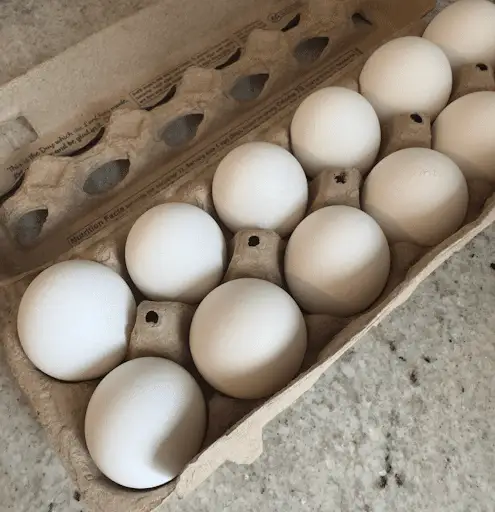
I’ve tossed it into scrambled eggs, folded it into breakfast tacos, layered it on pizza, and even snuck it into pasta sauce when I wanted something a little smoky and rich.
The first time I cooked it, I remember being totally confused.
Was I supposed to slice it, crumble it, or eat it straight from the package?
(Spoiler alert: that depends on the type of chorizo.)
Over the years, I’ve learned that not all chorizo is created equal. Some are cured sausages you can snack on right out of the fridge, and others are fresh chorizo that sizzles in a pan and fills your kitchen with the best smell.
If you’ve ever wondered what the difference is between Spanish chorizo and Mexican chorizo, or you’re tempted to try a homemade Mexican chorizo recipe for the first time, I’ve got you covered.
Here’s everything I’ve learned about this spicy sausage and how to make the most of it in your own kitchen.

What Is Chorizo, Exactly?
Chorizo is a pork sausage known for its bold red color, rich flavor, and signature smoky spice. But not all chorizo is the same. There are two main styles: Spanish chorizo and Mexican chorizo.
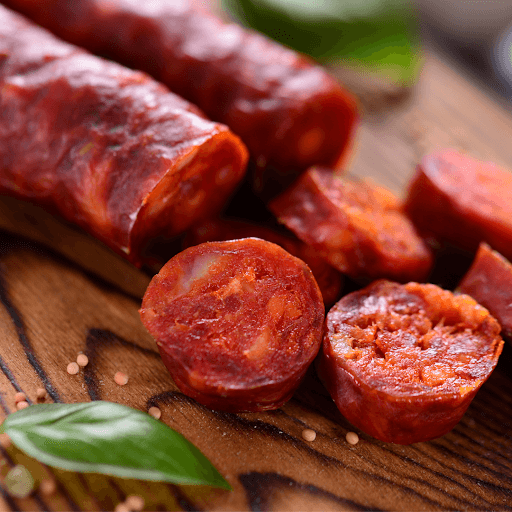
Spanish chorizo is a cured sausage, which means it’s dried and ready to eat with no cooking required. It’s made with ground pork, pork fat, and lots of Spanish paprika, which gives it that deep red hue and smoky flavor.
You’ll often find it sliced on a charcuterie board or added to a variety of dishes like stews, tapas, and soups.
Mexican chorizo, on the other hand, is fresh chorizo. It’s uncooked, loose, and usually sold in casings that you remove before cooking.
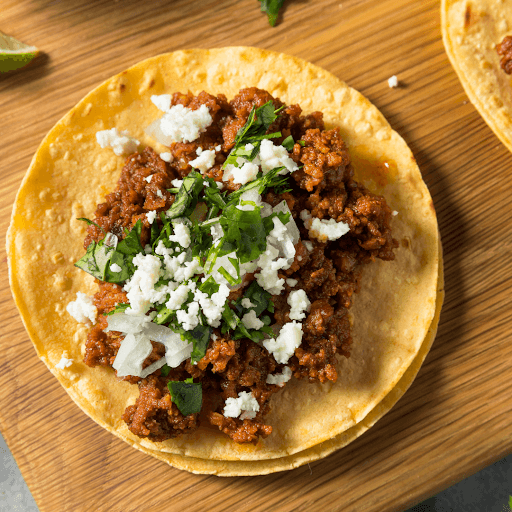
It’s heavily seasoned with vinegar, garlic, chili powder, and spices, making it perfect for tacos, burritos, and scrambled eggs.

Cooking with Chorizo
If you’re cooking store-bought chorizo, always read the label to see if it’s cured or fresh. The Spanish chorizo can be sliced right out of the package, while fresh chorizo needs to be browned in a pan until it’s fully cooked.
I love tossing it into breakfast tacos with eggs and potatoes or mixing it into pasta sauce when I want something hearty and a little spicy.
It’s also incredible in soups and even pizza toppings.
When you cook fresh chorizo, you’ll notice a lot of pork fat rendering out. Don’t toss it. That’s the flavor.
You can use that fat to sauté your remaining ingredients like onions, peppers, or potatoes. It’s like having a built-in seasoning.
Making Your Own Homemade Mexican Chorizo Recipe
If you want to take things up a notch, try making a homemade Mexican chorizo recipe. It’s easier than you think and lets you adjust the spice level exactly how you like it.
Here’s a simplified version of what I do:
- Start with ground pork (a little extra pork fat keeps it juicy).
- Add Spanish paprika, chili powder, cumin, garlic, oregano, and vinegar.
- Mix it thoroughly until everything is evenly distributed.
- Chill it overnight to let the flavors deepen.
You can cook it just like you would store-bought chorizo. Just crumble it into a skillet and use it in your favorite recipes.
The next time you make breakfast tacos or stuffed peppers, you’ll appreciate how fresh and flavorful homemade chorizo can be.
Spanish Chorizo on the Charcuterie Board
If you prefer a whole sausage, go for Spanish chorizo. Since it’s cured, it has a chewy, firm texture and a flavor that’s both smoky and savory.
Slice it thin and pair it with Manchego cheese, olives, and crusty bread. It’s one of the easiest ways to elevate a charcuterie board without any prep work.
Tips & Tricks
- Don’t overcook fresh chorizo. It can dry out fast once the fat renders.
- Try blending styles. A bit of Spanish chorizo in pasta sauce adds depth while Mexican chorizo adds heat.
- Freeze leftovers. Cooked chorizo freezes beautifully — portion it into small bags for easy weeknight meals.
- Add acid. A squeeze of lime or splash of vinegar balances the richness of the sausage.

Frequently Asked Questions (FAQs)
Q: What’s the difference between Spanish and Mexican chorizo?
A: Spanish chorizo is a cured sausage made with smoked paprika, while Mexican chorizo is a fresh sausage made with vinegar, chili, and garlic. The first is ready to eat; the second must be cooked.
Q: Can I use beef instead of pork?
A: Yes, but you’ll miss some of the richness from pork fat. If you swap proteins, add a bit of olive oil or another fat source to keep it juicy.
Q: How long does chorizo last?
A: Cured Spanish chorizo lasts weeks in the fridge once opened. Fresh chorizo should be cooked within a few days or frozen for later.
Q: Can I mix chorizo with other meats?
A: Absolutely. Combine fresh chorizo with ground beef or turkey to add depth to tacos or burgers.
Q: What’s the best way to serve it?
A: You can use chorizo in a variety of dishes — toss it into eggs, add it to soups, use it as pizza topping, or serve it on a charcuterie board.