
If you bake sourdough bread even semi-regularly, you have probably asked yourself this at least once: how long can sourdough starter stay in the fridge before I need to worry about it?
I have absolutely pushed my starter to the back of the fridge for a longer period of time than I intended.
Life gets busy. You travel. You decide you are taking a break from baking.
And then you open the fridge, and there it is, quietly existing in a clean jar, waiting for you.
Oops.
The good news is that a healthy sourdough starter is far more resilient than most people think.
The better news is that you do not need to panic if it has been sitting in the fridge for a while.
Let’s break it down in a practical, realistic way, so you know exactly what to expect, how to revive it, and when it is time to start fresh.
What Actually Happens to Sourdough Starter in the Fridge
At room temperature, your sourdough starter is active. It is feeding on flour, producing carbon dioxide, and showing visible fermentation activity.
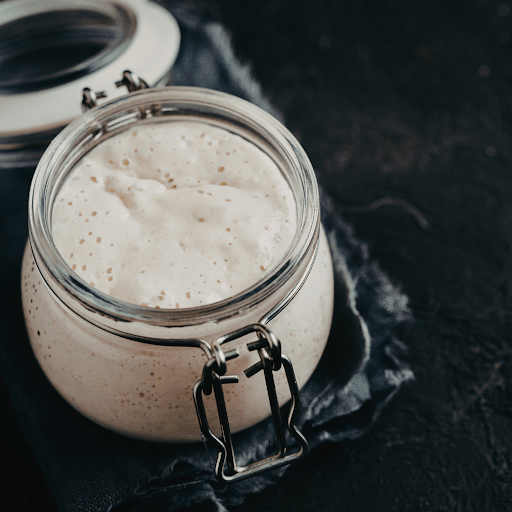
You will see a lot of bubbles. It rises and falls predictably after feeding. It smells pleasantly tangy.
When you move that same starter into the fridge, everything slows down.
Cold temperatures dramatically reduce fermentation activity. The wild yeast and bacteria are still alive, but they are much less active.
That is the entire point of refrigeration. You are essentially pressing pause.
Instead of needing daily feeding at room temperature, your sourdough starter can go much longer between feedings in the fridge.

So, How Long Can Sourdough Starter Stay in the Fridge?
Here is my practical answer:
- 1 week is ideal and very low maintenance
- 2 to 3 weeks is usually totally fine
- 1 month is often still recoverable with a few feedings
- A longer period of time than a month can still work, but it may take more effort to revive
I have personally revived a sourdough starter that sat untouched for five weeks. It took a few consistent feedings at room temperature, but it came back.
The key factors are:
- Was it healthy before refrigeration?
- Was it stored in a clean jar?
- Was it covered with an airtight lid?
- Do you see signs of mold or just separation?
A healthy starter that went into the fridge strong will almost always bounce back.
What You Might See When You Open the Jar
When the sourdough starter sits in the fridge for a while, you will probably notice:
- A layer of dark liquid on top. This is hooch, a byproduct of fermentation.
- A stronger, sharper smell.
- Fewer visible bubbles.
- A thinner consistency.
This is normal.
That liquid on top is not automatically a problem. It simply means the starter is hungry. You can pour off a little bit of it or stir it back in before feeding.
What you do not want to see is fuzzy mold. Mold can be white, green, black, or pink. If you see fuzzy growth or streaks of unusual color throughout the starter, it is time to discard it.
How I Store My Sourdough Starter in the Fridge
I keep mine in a clean jar with an airtight lid. Not cranked down aggressively, but sealed enough that it is not exposed to air constantly.
Before it goes in the fridge, I make sure:
- It has been fed within the last few hours
- It was active and bubbly at its last feeding
- The rim of the jar is wiped clean
A clean jar matters more than people realize. Old dried starter on the rim can invite mold.
If I know I will not bake for a longer period of time, I give it one solid feeding, let it sit at room temperature for an hour or two to kickstart fermentation activity, and then refrigerate it.

How to Revive Sourdough Starter After a Longer Period of Time
This is where people get nervous, but it is actually straightforward.
When you are ready to bake sourdough bread again:
- Take the jar out of the fridge.
- Let it sit at room temperature for about an hour.
- Discard all but a little bit of the starter. I usually keep about a few tablespoons.
- Feed it with fresh flour and water.
- Leave it at room temperature.
After the first feeding, you might not see a lot of bubbles. That is normal.
Feed it again 12 to 24 hours later.
By the second or third feeding at room temperature, you should start seeing strong fermentation activity. A lot of bubbles. Noticeable rise. A pleasantly tangy smell.
If you do not see much after two feedings, keep going. Some starters just need time to wake up after sitting in the fridge for a longer period of time.
Ingredients for Reviving a Sourdough Starter
Let’s talk through what you actually need and why.
Sourdough starter
This is your base culture. Even if it looks sleepy or separated, as long as there is no mold, it can likely be revived.
Flour
This is food. The yeast and bacteria in your starter feed on the carbohydrates in flour. I usually use unbleached all-purpose flour, but whole wheat flour can give it an extra boost.
Water
Hydration activates fermentation. I prefer filtered water if possible because heavy chlorine can interfere with fermentation activity.
That is it. Nothing fancy. No sugar. No yeast packets. Just flour and water.

Let’s Walk Through the Revival Process Together
Picture this: you pull the jar from the fridge. There is a layer of dark liquid on top, and the starter smells sharp.
First, I assess it. No mold. Good.
I stir it gently. Sometimes I pour off a little bit of the hooch if there is a lot.
Then I transfer a little bit of the starter into a clean jar. This matters. Starting fresh in a clean jar reduces the risk of contamination and gives you a clear view of what is happening.
Now I feed it. I add flour and water and stir until it is smooth. The texture should be thick but stirrable.
I leave it loosely covered at room temperature.
Over the next several hours, I watch. At first, nothing dramatic happens. Then small bubbles appear. Eventually, I see more fermentation activity. The starter begins to rise.
The next day, I discard all but a little bit and feed again.
By the second or third cycle, it is back to full strength. A lot of bubbles. It doubles in size within several hours. Now I know it is ready to bake sourdough bread.
Signs Your Starter Is Ready to Bake With Again
- It doubles in size within 4 to 8 hours at room temperature
- It has a domed top before it starts to fall
- It smells pleasantly tangy, not harsh or rotten
- It is full of visible bubbles
If it rises reliably after feeding, it is ready.

Tips for Storing Starter in the Fridge Long Term
If you plan to take a break from baking:
- Feed it well before refrigeration
- Store it in a clean jar
- Use an airtight lid
- Feed it at least once every 2 to 3 weeks if possible.
Even if you are not baking, giving it a refresh occasionally keeps it strong.
Italian comfort food is all about generous flavors and meals meant to be shared. Our Sunday Sauce Lasagna stuffed with meatballs and sausages delivers that classic family-style experience right to your table.
Frequently Asked Questions (FAQs)
Q: How long can sourdough starter stay in the fridge without feeding?
A: In most cases, 2 to 3 weeks is completely fine. Up to a month is often recoverable. Beyond that, it may still work, but expect to do multiple feedings at room temperature to rebuild fermentation activity.
Q: Can sourdough starter go bad in the fridge?
A: Yes, but usually due to mold. If you see fuzzy growth or unusual colors throughout the starter, discard it. Separation and dark liquid on top are not the same as spoilage.
Should I stir in the liquid on top?
A: You can. That liquid is hooch. Stirring it back in increases acidity. Pouring off a little bit can mellow the flavor. Either option is fine.
Do I need to bring it to room temperature before feeding?
A: I like to let it sit out for about an hour, but you can technically feed it cold. Room temperature helps jumpstart fermentation activity.
What if there are no bubbles after feeding?
A: Give it time and feed it again. After a longer period of time in the fridge, it may take two or three consistent feedings to see a lot of bubbles again.
Can I bake with it straight from the fridge?
A: If it has been recently fed and is still active, yes. But if it has been sitting for a week or more, I recommend at least one feeding at room temperature first.
If there is one thing I have learned from baking sourdough bread, it is this: sourdough starter is far more forgiving than we give it credit for.
As long as it was healthy going into the fridge, stored in a clean jar with an airtight lid, and free of mold, it can handle a longer period of time than you think.
Feed it. Be patient. Watch for fermentation activity and a lot of bubbles. Give it a day or two at room temperature.
Most of the time, it will come right back.


Simple Sourdough Starter Feeding Recipe
Description
Below is the basic feeding formula I use to revive or maintain my starter.
Ingredients
- 50 grams sourdough starter
- 50 grams unbleached all-purpose flour
- 50 grams filtered water
Instructions
- In a clean jar, add 50 grams of sourdough starter.
- Add 50 grams of flour.
- Add 50 grams of water.
- Stir until smooth and fully combined.
- Loosely cover and let sit at room temperature for 4 to 8 hours.
- Repeat daily if building strength before baking sourdough bread.