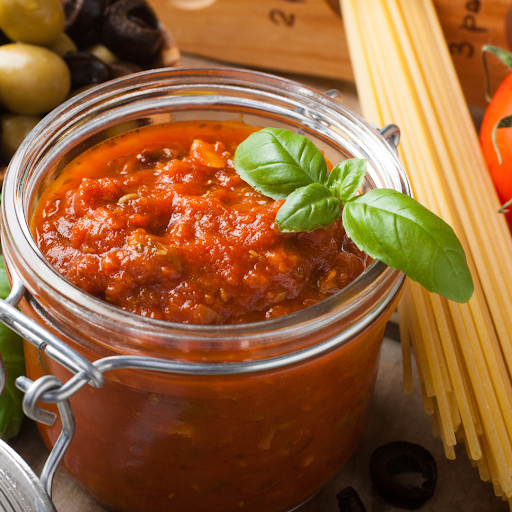
As a home cook with a passion for making delicious, healthy meals, I get asked this question all the time: how long can spaghetti sauce sit out? It sounds simple, but there’s more to it than you might think. If you’ve ever wondered how long does homemade pasta sauce last, you’re not alone. Food science geeks, rejoice—I’m about to get a little nerdy.
To really answer this properly, we need to talk about pasta sauce shelf life and storage. The last thing we want is your favorite marinara or meaty bolognese turning into a breeding ground for unwanted bacteria. Let’s break it down so you can store your sauce safely and enjoy it at its best.
Understanding Shelf Life:
First, I need to make a differentiation between store-bought and homemade sauces. Unopened jars of tomato-based sauces found in the grocery store, like marinara or arrabbiata, have a remarkably long shelf life thanks to their acidity from tomato paste and the sterilization process during canning. These beauties can typically live happily in your pantry (a dry place at room temperature) for up to a year, sometimes even longer. That’s a long time! Something I want to note: The “best by” date on the jar is more of a quality guideline, not a safety expiration date. However, once you open that jar, it’s a different story.
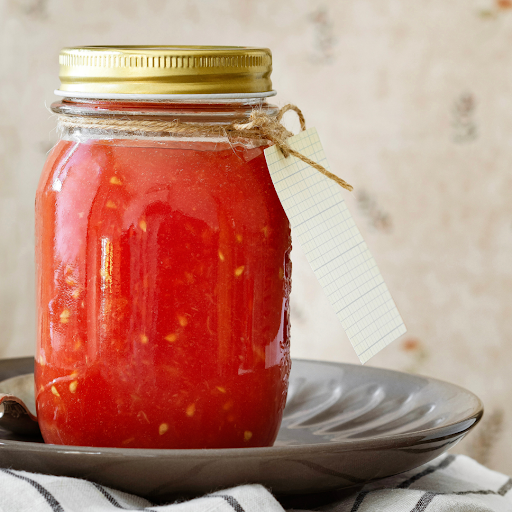
Leftover Jarred Sauce and Homemade Varieties:
Opened jars of store-bought sauce and all homemade pasta sauce creations, regardless of ingredients, fall under the umbrella of perishable foods. Here’s the golden rulefrom food safety experts: never leave perishable foods out at room temperature for more than 2 hours.
This includes the time your leftover pasta dish sits on the table after dinner. Why? This temperature range, between 40°F and 140°F, is known as the “danger zone” – a prime breeding ground for bacterial growth. Bacteria can double in number every 20 minutes in this zone, and that’s a recipe for potential foodborne illness. Yikes!
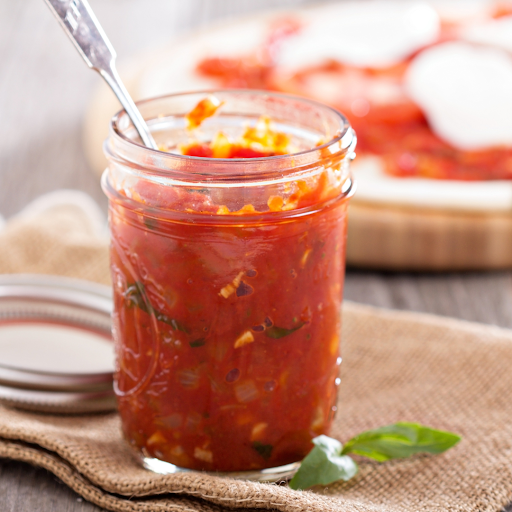
The only way to ensure the best quality and safety of leftover pasta sauce, homemade or store-bought, is to refrigerate it promptly. I typically transfer the leftover sauce to an airtight container (a glass jar with a lid is ideal) within 2 hours of cooking or opening the jar. This minimizes air exposure, which can accelerate spoilage. As a general rule of thumb, leftover sauce stored correctly will typically last for 3-5 days in the refrigerator.
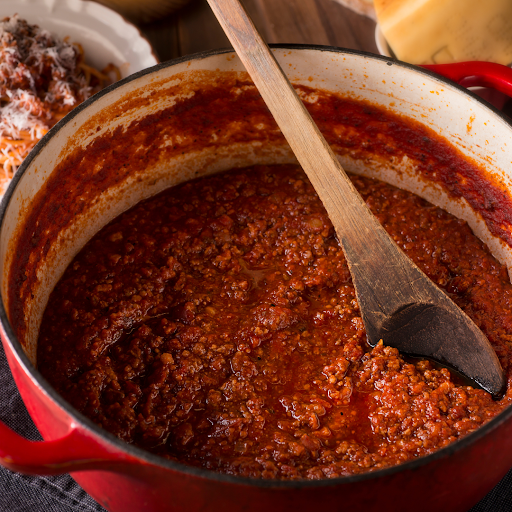
Meat Sauce Considerations:
Meat sauce that contains ground beef, Italian sausage, or other proteins, has a shorter shelf life compared to plain tomato-based sauces. This is because meat is a prime target for bacterial growth. I treat leftover meat sauce with extra care and store it in the refrigerator within a couple of hours of cooking. Aim to consume it within 3-4 days for the best results.
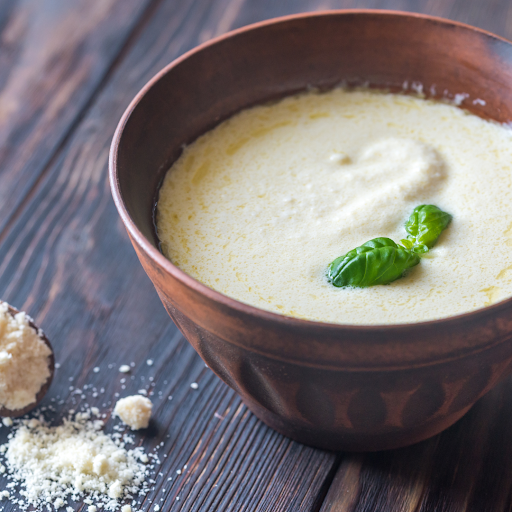
Cream-Based Sauces and Leftover Pasta:
Cream sauce like alfredo require even stricter handling. Dairy products are highly perishable, so leftover alfredo sauce should be refrigerated within 2 hours and consumed within 1-2 days. The same goes for leftover cooked pasta with any kind of sauce. Treat it like a perishable dish and store it in the refrigerator within 2 hours. Reheat leftover pasta dishes to an internal temperature of 165°F (74°C) to ensure any lingering bacteria are destroyed.
Danger Zone and Foodborne Illness:
Now that I’ve shared the quick answers, I want to deliver more into the science behind the 2-hour rule. Foodborne illnesses, caused by consuming contaminated food, can be quite unpleasant, with symptoms ranging from nausea and vomiting to cramps and fever. Nobody wants to deal with all that. Bacteria like Staphylococcus aureus can thrive in the danger zone, multiplying rapidly and producing toxins that make us sick. By following proper food handling practices, including proper storage and refrigeration, we significantly reduce the growth of bacteria and the risk of food poisoning.
Tips for Safe Pasta Sauce Handling:
Here are some additional tips to keep your pasta sauce adventures safe and delicious:
- Always use a clean spoon when serving sauce from a jar to prevent cross-contamination.
- For long-term storage, consider freezing leftover homemade sauce in heavy-duty freezer bags. However, remember that freezing will affect the texture slightly.
- Look for signs of spoilage before consuming leftover sauce. Mold, off-odors, or discoloration are clear warnings to toss it out.
- Freeze fresh herbs to extend their lifespan, and add them to your sauce when reheating.
Safe Storage Matters
If you follow these simple guidelines, you can enjoy your favorite pasta sauces safely and avoid unnecessary food waste. Remember, when in doubt, throw it out! It’s always better to err on the side of caution when dealing with perishable foods. Your stomach will thank you!
Reheating Pasta Sauce
Even when stored correctly, reheating leftover pasta sauce is crucial to eliminate any lingering bacteria. To ensure your safety, aim for an internal temperature of 165°F (74°C) throughout the sauce. Use a food thermometer for accuracy. Remember, stirring frequently while reheating is key for even heat distribution, preventing hot spots and ensuring all the sauce reaches the safe temperature zone.

Fighting Leftover Fatigue
Trust me when I say I know that reheated pasta sauce often loses its vibrancy and flavor. But I’ve got solutions!
- No More Dry Pasta: Reheated pasta sauce can become dry and lackluster. Try adding a splash of chicken or vegetable broth to brighten it back up while reheating. This will also help loosen the sauce and prevent it from sticking to the pan.
- Add Some Flavor: Don’t be afraid to add a little extra flavor! A squeeze of fresh lemon juice can brighten up a tomato-based sauce, and a pat of butter or a drizzle of olive oil can add richness.
- Spice it Up: Chopped fresh herbs like basil, oregano, thyme, or parsley can add a pop of freshness and vibrancy to reheated sauce.
- Get Cheesy: For cream-based sauces or for those craving a cheesy element, try stirring in grated parmesan cheese, mozzarella, or even a small dollop of cream cheese or Greek yogurt during reheating.
- Add Some Heat: For a bolder flavor, add a pinch of red pepper flakes or a sprinkle of your favorite Italian seasoning to the sauce while reheating.
Bonus Tip: Leftover cooked pasta (plain or with sauce) can be a great base for a quick and easy next-day meal. Toss it with a drizzle of extra-virgin olive oil, some chopped fresh herbs, and a sprinkle of parmesan cheese for a light and satisfying lunch.
Frequently Asked Question:
Q: How long does homemade pasta sauce last if it has meat in it?
A: Meat sauces usually don’t last quite as long as plain tomato sauce. Because of the added protein, they can spoil faster, so it’s important to keep them well sealed and properly refrigerated.
Q: Can I leave pasta sauce out overnight if it was covered?
A: No, even if it’s covered, pasta sauce shouldn’t sit out overnight. Bacteria can grow quickly at room temperature, and covering it doesn’t make it safe.
Q: How can I tell if pasta sauce has gone bad without tasting it?
A: Trust your senses. If it smells sour, looks moldy, or has a strange texture, it’s time to throw it out. When in doubt, don’t risk it.
Q: Does freezing pasta sauce change how long it lasts?
A: Freezing extends its life significantly. Just make sure you freeze it in airtight containers and label the date so you know how long it’s been stored.
Q: How long does homemade pasta sauce last compared to store-bought sauce?
A: Homemade sauce usually has fewer preservatives, so it may not last as long as jarred sauce. That’s why it’s important to know how long does homemade pasta sauce last and store it properly from the start.
Keep Your Sauce Safe and Delicious
When it comes to leftovers, a little awareness goes a long way. Knowing how long does homemade pasta sauce last helps you avoid waste and, more importantly, avoid getting sick. Store it properly, cool it quickly, and always trust your senses before reheating. If something smells off or looks questionable, it’s better to toss it.
I hope this helps you feel more confident the next time you’ve got extra sauce in the fridge. Leave a comment and let me know how you store your pasta sauce at home. And if you’d rather skip the cooking and just enjoy great Italian comfort food, visit the Mortadella Head store here: https://mortadellaheadstore.com/.