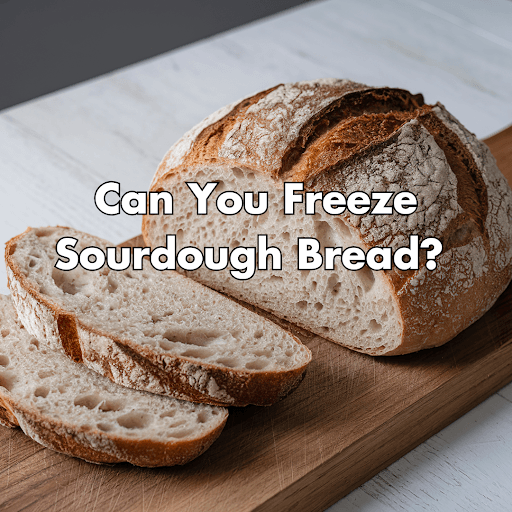
If you’ve ever baked a loaf of sourdough bread and realized halfway through the week that you’re not going to finish it, you’ve probably wondered the same thing I did: can you freeze sourdough bread without ruining it?
Short answer, yes.
Long answer, yes, but there is a best way to do it.
I bake a lot of homemade sourdough bread. Between testing sourdough recipes, experimenting with sourdough discard ideas, and just baking for fun, I often end up with more bread than my schedule can realistically handle.
Freezing sourdough bread has become my favorite method for extending the shelf life of your bread without sacrificing quality.
Let’s walk through everything you need to know, from freezing an entire loaf to saving individual slices for later use.
The Good News About Freezing Sourdough
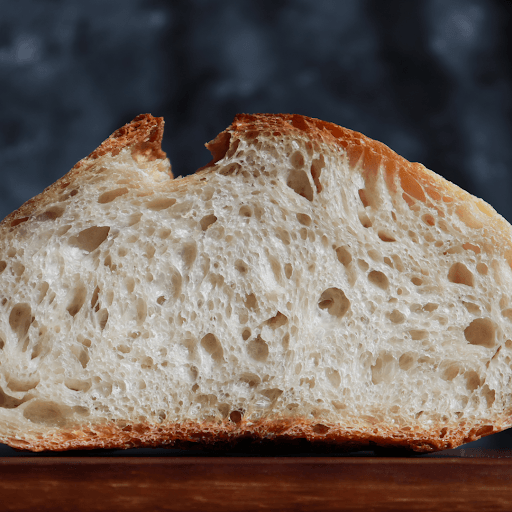
The good news is that sourdough bread freezes beautifully when handled properly. Because of the natural fermentation process driven by wild yeast and lactic acid bacteria, sourdough loaves often have a slightly longer shelf life than store-bought bread at room temperature.
Still, even the best homemade bread will eventually dry out.
Freezing is a fantastic way to prevent food waste, preserve the quality of your bread, and make sure you always have a slice of bread ready for toast, sandwich bread, or even French toast.
When done correctly, frozen sourdough can taste almost as good as fresh bread.
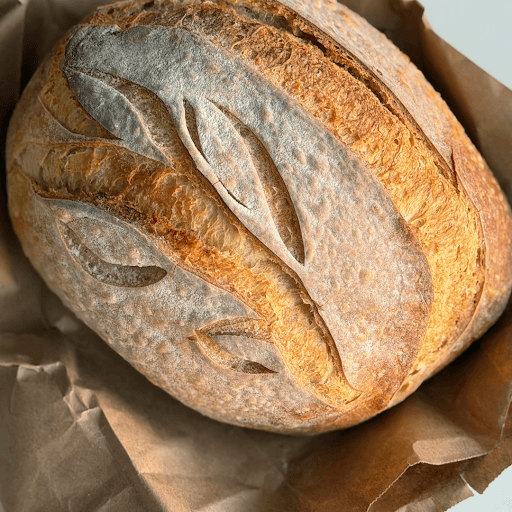
Why Sourdough Bread Freezes So Well
Sourdough bread dough goes through bulk fermentation, which develops structure and flavor. That fermentation strengthens the gluten network and improves texture. The higher ratio of natural acids also helps preserve the loaf of sourdough bread slightly longer than commercial yeast breads.
But freezing is what truly extends it for future use.
The key is protecting the inside of the bread from excess air. Air is what causes freezer burn and that stale, dry texture.
If you control the amount of time the bread is exposed to air during the freezing process, you will get the best results.
When Should You Freeze Sourdough Bread?
I always freeze sourdough bread when:
- I baked multiple sourdough loaves for special occasions
- I tested a new sourdough starter variation
- I know my busy schedule will not allow me to finish a whole loaf of bread
- I want to prep sandwich bread ahead of time
Ideally, you freeze it while it is still at peak freshness. Waiting too long means you are freezing already stale bread, which will not improve later.
Freezing sourdough bread on day one or day two is the best option.
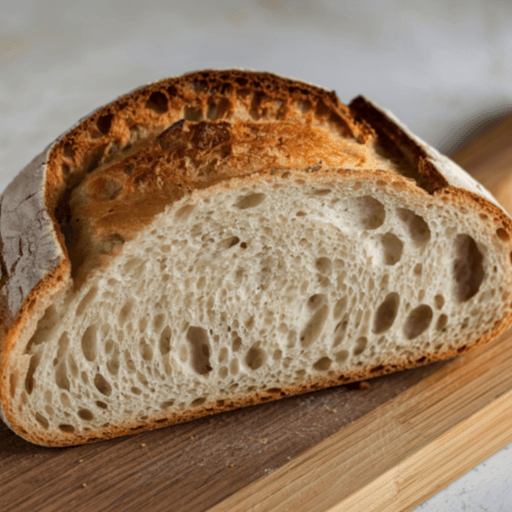
Freezing an Entire Loaf vs Individual Slices
You have two main choices.
Option 1: Freeze the Entire Loaf
Freezing the entire loaf works well if you plan to serve it for a dinner party or special occasion later. A whole loaf of bread reheats beautifully in the oven and can regain a crisp crust.
This is a great option if you love that crackly exterior.
Option 2: Freeze Individual Slices
This is my go-to for everyday use.
Freezing individual slices means you can grab exactly what you need. One slice of bread for breakfast. Two slices of bread for a sandwich. No need to thaw the entire loaf.
For a busy household, this is often the best method.
My Favorite Method for Freezing Sourdough Bread
Here is how I do it.
First, I let the bread cool completely to room temperature. Freezing warm bread traps moisture and creates ice crystals.
If I am freezing a whole sourdough loaf, I wrap it tightly in plastic wrap. Then I add a layer of aluminum foil. Finally, I place it inside a freezer-safe bag or ziplock bag and press out as much air as possible.
Too much air equals freezer burn.
If I am freezing slices of bread, I lay them flat on a baking sheet lined with a piece of parchment paper. I freeze them for about an hour until firm. Then I transfer them to a freezer bag or an airtight container.
This prevents the slices from sticking together.
For extra protection, I sometimes double-bag them in a plastic bag inside another freezer-safe bag.
Common Mistakes When Freezing Sourdough
Over the years, I have made a few mistakes. Here are the big ones to avoid.
Not Removing Excess Air
Excess air causes freezer burn and affects the quality of your bread.
Always press out as much air as possible before sealing the bag.
Freezing After It Is Already Stale
Freezing does not restore lost moisture. If the loaf already has a chewy texture from sitting too long in a bread box or linen bag, it will not magically improve.
Using Thin Packaging
A brown paper bag, beeswax wrap, or linen bag is perfect for storing fresh bread at room temperature in a dry place. It is not enough for the freezer.
You need plastic wrap, aluminum foil, or a freezer-safe bag for the best quality.

How Long Does Frozen Sourdough Last?
For best results, use frozen sourdough within a couple of months.
Technically, it can last longer, but the longer it sits, the more the texture may decline.
I aim for two months or less to maintain the quality of your bread.
Label the wrapped loaf with the date so you remember the amount of time it has been in your freezer space.
How to Reheat Frozen Sourdough Bread
Reheating depends on how you freeze it.
For a Frozen Loaf
Remove the plastic wrap and foil. Place the frozen loaf directly on the oven rack at 350 degrees Fahrenheit for about 15 to 20 minutes.
If you want an extra crisp crust, spritz a little water on the outside before baking.
For Individual Slices
You can put frozen sourdough straight into the toaster oven or regular toaster.
It comes out beautifully crisp.
You can also let slices sit at room temperature for 20 to 30 minutes before reheating.
Can You Freeze Sourdough Bread Dough?
Yes, but it is a little different.
Sourdough bread dough can be frozen after shaping, before the final proof. Wrap the sourdough dough tightly in plastic wrap and place it in a freezer bag.
When ready to bake, thaw it overnight in the refrigerator, then let it come to room temperature and complete proofing in a proofing basket before baking.
Frozen dough may have slightly less oven spring, but it is still a good idea if you want freshly-baked bread without starting from scratch.
The same applies to pizza dough or even cookie dough. Freezing is a great way to plan ahead.
What About Store-Bought Bread?
Store-bought bread freezes well, too, but homemade sourdough bread often performs better because of its structure and fermentation.
A pre-sliced loaf is convenient. Just pop slices straight from the freezer into the toaster.
Using Frozen Sourdough for Other Recipes
If you do not want to reheat it as is, frozen sourdough works well for:
- Bread crumbs
- French toast
- Croutons
- Casseroles
It is a great option for reducing food waste.
Frequently Asked Questions (FAQs)
Does sourdough bread freeze well compared to other breads?
Yes, the fermentation process and structure make sourdough loaves particularly well suited for freezing.
How do I prevent freezer burn?
Wrap the bread tightly in plastic wrap, then aluminum foil, and store it in a freezer-safe bag with minimal excess air.
Can I freeze a whole loaf of bread without slicing it?
Yes, freezing the entire loaf works well if you plan to reheat it all at once.
Should I freeze sourdough bread dough or baked bread?
Both are possible. Freezing baked bread is more predictable. Freezing sourdough bread dough requires careful thawing and proofing.
How long can frozen sourdough last?
For the best quality, aim to use it within a couple of months.
Can I refreeze sourdough bread?
It is not recommended. Repeated freezing affects texture and moisture.
Does freezing sourdough affect the quality of your bread?
If wrapped properly and protected from too much air, frozen sourdough maintains excellent texture and flavor for a couple of months, though the crisp crust may need reheating in the oven to fully restore it.
When the sauce is right, everything else falls into place. Our Bolognese Sauce brings that rich, traditional Italian flavor that turns any pasta into something special.

Freezing sourdough bread is not complicated. It is a simple process that protects your homemade bread from drying out and saves you from unnecessary food waste.
Whether you are preserving your first loaf of bread or stocking up on multiple sourdough loaves for special occasions, freezing is a great way to maintain freshness.
Wrap it well. Remove excess air. Freeze early while it is still fresh bread.
When you pull out that frozen loaf and slice into it after reheating, you will still get a crisp crust and soft interior.
And that makes freezing sourdough bread absolutely worth it.