
If you’ve ever made sourdough from scratch, you know one thing: it’s not just bread.
It’s a whole experience. You feed it, you watch it, you wait.
You obsess over the fermentation process, take notes on dough rise, and cross your fingers during the bake.
In my case, I’ve got a jar of bubbly active sourdough starter in my fridge at all times and at least one half-eaten round of fresh sourdough bread on the counter.
Sometimes I bake it in a Dutch oven, and sometimes I grab one from the grocery store because life is busy.
Either way, the result is the same: a wonderful crusty-chewy combination that’s good enough to make you swear off plain sandwich bread forever.
But no matter how amazing it is fresh, sourdough doesn’t stay perfect forever.
A few days in, and you’re looking at leftover sourdough bread that’s a little too tough for toast, but way too good to throw away.
And I don’t know about you, but I am not letting that effort go to waste.
So, what do you do when your sourdough loaf starts to go stale?
I’m sharing my favorite go-to recipes, clever tricks, and easy ways to give that bread a second life.
From crispy croutons to bread pudding, these ideas will help you use up every last crumb.
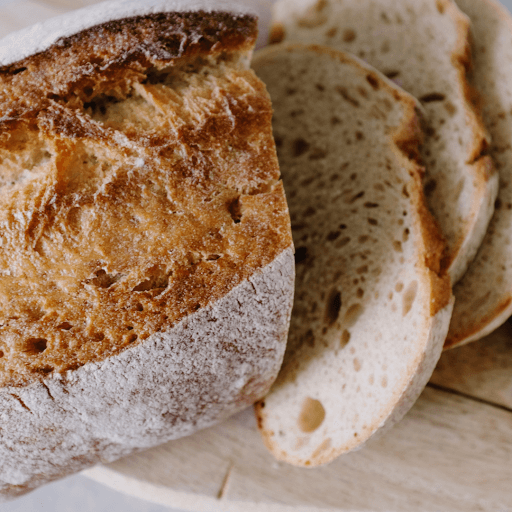
Why Sourdough Bread Deserves a New Life
Sourdough is not your average loaf. This isn’t some soft, mass-produced bread made with commercial yeast and preservatives.
This is bread that took time, care, and probably a little trial and error.
If you’ve ever gone through the process of sourdough baking, you know how much work goes into creating even a single good loaf.
Sourdough is a living thing. The use of wild yeasts and lactic acid bacteria in an active sourdough starter creates a totally different experience from standard yeast-based breads.
Those microbes are responsible for the signature tang and chewy texture.
This natural fermentation helps break down phytic acid, which may make nutrients in the bread easier for your body to absorb.
That’s right—your bread might actually be doing something good for you.
Beyond flavor and nutrition, the process itself is what makes sourdough so special. You manage everything from bulk fermentation and surface tension during shaping to watching your dough rise in a proofing basket.
When all those elements come together, the result is something truly wonderful. A crisp, crackling crust. An airy crumb. A flavor that deepens with each bite.
That’s why, when you’ve gone to all that trouble, you don’t let it go stale without a plan. Sourdough deserves a second life.
And lucky for us, there are dozens of delicious, practical ways to give it one.
My Favorite Ways to Use Leftover Sourdough
Sourdough Croutons
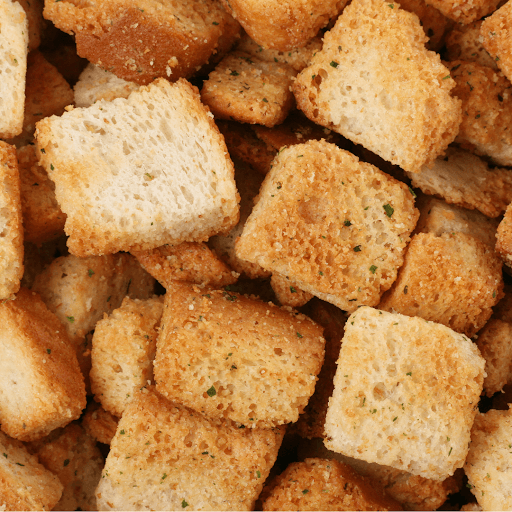
Making sourdough croutons is one of the easiest ways to revive stale bread. I like to slice the bread into rough cubes and toss them with a healthy drizzle of olive oil, a pinch of salt, and whatever herbs or spices I’m feeling that day.
Sometimes I’ll sprinkle in sesame seeds for texture or smoked paprika for a little extra depth. Spread them out on a baking sheet and toast in a 375°F oven until they turn that irresistible golden brown.
It’s such an easy way to elevate soups and salads, or honestly, just snack on straight out of the container. These are way better than anything you’d get in a box, and you can customize them endlessly.
Bread Pudding
Bread pudding might just be the coziest thing you can make with leftover sourdough bread. I start by tearing the bread into chunks and placing them in a large bowl.
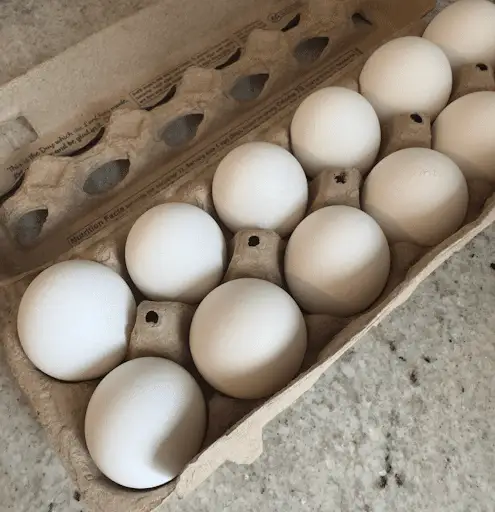
Then I whisk together a custard made of eggs, milk, a bit of cream cheese (trust me), brown sugar, and vanilla. You can add chocolate chips or even some dried fruit.
Pour the mixture over the bread, let it soak, and bake until the top is set and crisp while the inside stays custardy. If you want to take it savory, mix in cheddar cheese, herbs, or caramelized onions.
It’s a delicious way to make use of bread that’s past its prime while creating something that feels truly indulgent.
French Toast
Thick slices of fresh sourdough bread that are a few days old? Perfect for French toast. I prefer to let mine sit out overnight to get a little dry, cold temperature air helps that happen naturally.
The firmer texture soaks up the custard without getting soggy. Dip each slice into a mix of eggs, milk, vanilla, and cinnamon, then fry until golden on each side. Bonus move: Sprinkle sugar on the soaked slices before cooking for an extra caramelized crust.
I love topping mine with berries, syrup, or even a dollop of peanut butter. It’s one of my favorite recipes for brunch or even lazy dinners.
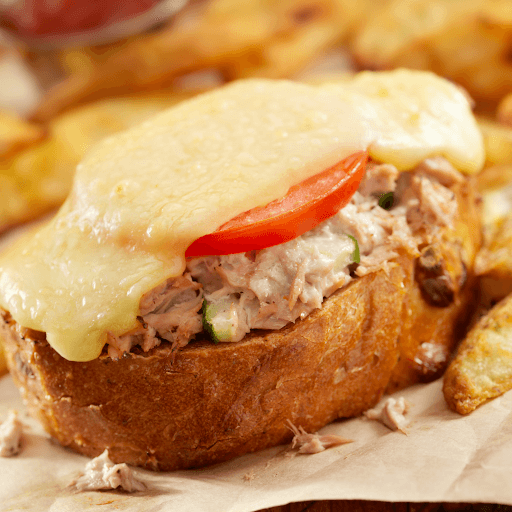
Grilled Cheese / Tuna Melt
A thick slice of sourdough makes the ultimate base for a grilled cheese or tuna melt. Its sturdiness holds up to heat and fillings without falling apart. I love using aged cheddar cheese and layering in pickles, tomatoes, or whatever I have on hand.
To get the perfect crust, I use olive oil in the pan instead of butter—it crisps better and adds a great flavor. Whether you’re elevating grocery store tuna or just melting whatever cheese you have in the fridge, this kind of sandwich beats plain old sandwich bread every time. It’s fast comfort food that hits every time.
Sourdough Breadcrumbs
Turning your scraps into sourdough breadcrumbs is one of the most practical moves out there. Just tear up stale sourdough bread, dry it thoroughly, and pulse it in a food processor.
You can leave the crumbs plain or toast them with olive oil, garlic, and herbs for more punch.
It’s the ultimate minimal effort kitchen trick that gives you homemade topping power for everything from pasta to roasted veggies.
I find it gives the best results when you’re trying to add a bit of texture and richness. Store the crumbs in a jar and pat yourself on the back—you just saved perfectly good sourdough bread from the trash.
Fancy Toasts / Open-Faced Sandwiches
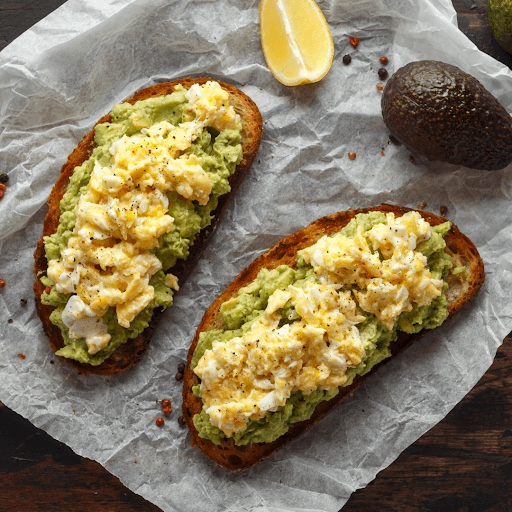
There’s a reason toast is trendy. With simple sourdough breads, you have the perfect blank canvas.
I like to go savory with smashed avocado, a fried egg, or ricotta and hot honey. Sweet versions? Try almond butter and banana, or whipped cream cheese with strawberries and a dash of salt.
Your favorite toppings make each bite feel new, and it’s such a good idea for weekday breakfasts or light lunches.
Savory Casserole Toppers or Stuffing
Stale bread is amazing when it is turned into a crunchy casserole topping or a hearty stuffing. I cube the bread and toss it with olive oil, seasoning, and sometimes grated cheese, then bake it on top of mac and cheese or creamy veggie bakes.
It’s also ideal for classic stuffing. Just mix the bread cubes with broth, aromatics, and eggs, then bake until set. Add sausage, mushrooms, or apples, depending on the season.
Whether it’s a weeknight meal or a holiday dish, these sourdough recipes make sure every loaf of bread lives up to its full potential.

Sourdough Bagels or Baguettes
If you’ve got a bit of time and some extra sourdough, turning it into something brand new is one of my favorite weekend projects.
Two of the best options? Sourdough bagels and sourdough baguettes. They’re both impressive-looking, but surprisingly manageable if you’ve already tackled a loaf or two.
For bagels, you’ll follow a slightly different shaping and boiling process, but the key is working with a tight, well-developed dough. Dust your proofing basket with rice flour to prevent sticking, and try using a mix of bread and purpose flour to get that chewy-but-soft balance.
Baguettes, on the other hand, benefit from a bit of shaping practice and a preheated oven to get that crispy exterior.
Both recipes are great for working with higher hydration dough, and they allow you to experiment a bit outside of the standard round loaf. If you’re following a guide like Artisan Sourdough Made Simple, you’ll get a good head start with techniques that scale.
Mastering these variations will help you develop a sense of how your dough behaves in different formats, and you might discover your perfect loaf in the process.
Flatbreads or Crackers with Discard
When I want to use up sourdough discard but I’m low on time, I turn to flatbreads and crackers. These are some of the fastest, most flexible bakes you can make—and the flavor payoff is surprisingly big. It’s all about the fermentation tang in the discard that gives even the simplest flatbread a boost.
For flatbreads, you only need the basic steps: mix your discard with some flour (I like purpose flour here), a little salt, and olive oil. Let the dough rest for about 30 minutes, then roll it thin and cook it on a hot skillet. That’s it. You get pillowy, flavorful bread with almost no effort.
Crackers are similar but rolled thinner and baked until crisp. I love adding seeds, herbs, or flaky salt on top. Both options take less time than a full loaf and let you enjoy the flavor of sourdough in a totally different way. If you’re tight on ingredients or just craving a snack, this might be the best bread trick in the book.
Tips & Tricks for Handling Leftover Bread
The beauty of sourdough is that it evolves, even as it sits on your counter. But there’s a fine line between rustic and chewy and hard as a rock.
Here are my go-to tips for stretching the life of stale sourdough bread while getting the most flavor and function out of every slice.
Step 1: Wrap your sourdough in a clean kitchen towel or paper bag at room temperature to keep the crust intact without trapping too much moisture. For longer storage, freeze slices individually so you can pull out what you need without thawing a whole loaf. Trust me, this is a good idea when you want fresh toast midweek.
Step 2: If your loaf is getting too tough, splash it with a bit of water and reheat it in a 325°F oven for about 10 minutes. It brings back just enough life to use in recipes—or even enjoy plain with butter.
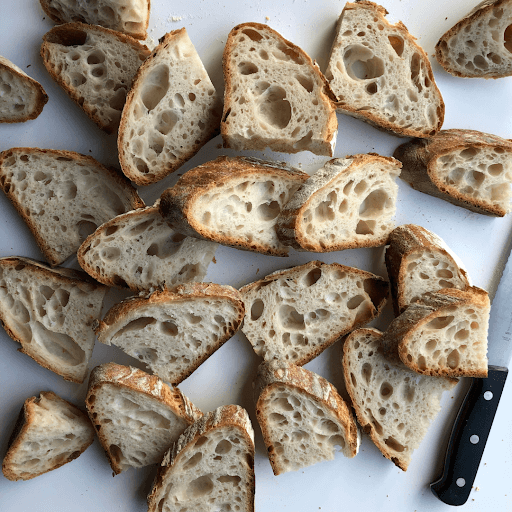
Step 3: When your sourdough is fresh, a serrated bread knife works great. But if you’re working with a dried-out heel or getting fancy with portioning, a razor blade can help make clean cuts. This especially helps if you’re trimming to a small slice for croutons or toast points.
Step 4: If your bread is moldy or has been sitting around for more than a week without refrigeration, compost it. Even the best loaf has limits.
Step 5: Before using leftovers in bakes, let them sit out uncovered for a short dough rest. It helps them dry slightly and makes them more absorbent, especially for things like bread pudding or French toast. And when baking fresh, remember that the tension on top of the dough is key to a good rise.
Frequently Asked Questions (FAQs)
Q: Can you freeze sourdough?
A: Yes, and it’s actually one of the best ways to make your sourdough loaf last. I recommend slicing the loaf before freezing so you can grab one or two slices at a time without having to thaw the entire thing.
Wrap it tightly in foil or freezer-safe bags to prevent freezer burn. Toasted straight from frozen, it’s still delicious—and perfect for all the recipes in this post.
Q: Why does sourdough taste sour?
A: That signature tang comes from the lactic acid bacteria in the active sourdough starter. As the dough ferments, these bacteria produce acids (primarily lactic and acetic), giving sourdough its unique flavor.
The level of sourness depends on fermentation time, temperature, and feeding schedule. It’s all part of the science—and the charm.
Q: How long does sourdough last?
A: At room temperature, sourdough typically lasts 3 to 5 days. Its natural acidity helps it resist mold a bit longer than other breads.
After a few days, it’s not as good for sandwiches, but perfect for toast, croutons, or bread pudding. Beyond that, it’s time to freeze or repurpose it with one of the best sourdough recipe ideas in this guide.
Q: Can I bake sourdough without a Dutch oven?
A: You can! While a dutch oven gives you steam and even heat—which helps create that beautiful crust—you can also mimic that effect by placing a tray of water in your oven or covering your loaf with a metal bowl for the first part of baking.
That said, if you’re serious about sourdough, investing in a Dutch oven (check my affiliate links) is a game-changer.
Q: Why use sourdough over other bread?
A: Besides its incredible texture and flavor, the health benefits of sourdough bread make it a standout. The long fermentation process helps reduce phytic acid, which can make nutrients more bioavailable. Sourdough also tends to be easier on digestion and keeps you full longer.

Once you start baking or buying quality sourdough, it’s hard to go back.
Whether you’re trying to stretch your current loaf or give it a new life, these tips and ideas prove that sourdough is one of the most rewarding breads to work with—and to eat.
If you’ve made it this far, congrats—you’re officially on a full-blown sourdough adventure with me. Whether you’ve repurposed your loaf into sourdough croutons, a cozy bread pudding, or a chewy, golden grilled cheese, there’s no shortage of creative ways to give that bread a new life.
Hopefully, this guide gave you a few fresh ideas—and maybe even inspired you to start planning your next great recipe. The best part about working with sourdough is that it never has to be perfect.
Until then, don’t toss that crust. Transform it.