
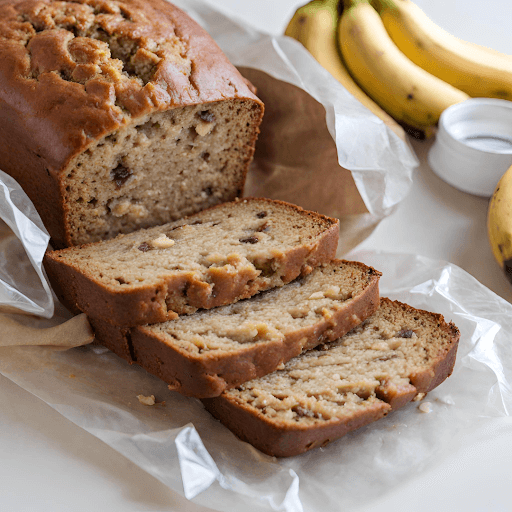
I can’t tell you how many times I’ve done this. I buy a bunch of bananas at the grocery store with every intention of enjoying a healthy snack or making smoothies all week. But life gets busy, and before I know it, those beautiful yellow bananas on my counter are covered in brown spots. Sometimes they’re even speckled with black. Yikes!
If you’re reading this and wondering how brown should bananas be for banana bread, you’re not alone. It’s a question I hear all the time.
Are you nodding along because you’ve been there, too? Don’t worry. Those spotty bananas haven’t gone to waste.
In fact, overripe bananas are exactly what you want for baking the most delicious, moist banana bread you’ve ever tasted.
The Science Behind the Banana Ripening Process
Here’s the thing: your banana is ripening inside. As it sits at room temperature, starches convert to sugars, making the fruit sweeter and softer. These brown spots, often seen as a sign of spoilage, are actually a dead giveaway of peak banana bread potential.
But, there is a limit. Black bananas or rotten bananas are a no-go. (Note that green bananas are also not a good choice for baking.) But those with slightly black peels and a little bit of excess liquid are perfect for turning into a loaf of banana bread magic.
You might be saying, “But Christina! What about those recipes that call for ripe bananas with brown spots? Won’t these very ripe bananas be too much?”
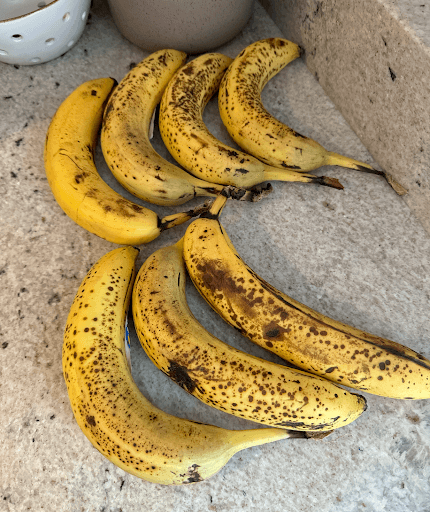
Here’s the secret: overripe bananas don’t necessarily mean too-ripe bananas for banana bread. It really comes down to personal preference. Those brown-speckled, mostly yellow bananas are still ripe and will bake into a great loaf.
However, for the absolute best banana flavor and the most moist banana bread recipe results, very ripe bananas with a significant amount of brown and even some black on the peel are your champions.
The Ripeness Spectrum: Finding Your Perfect Banana
The beauty of banana bread is its versatility. Depending on your ripeness level, you can achieve different flavor and texture profiles. Here’s a breakdown of the banana ripening spectrum to help you decide:
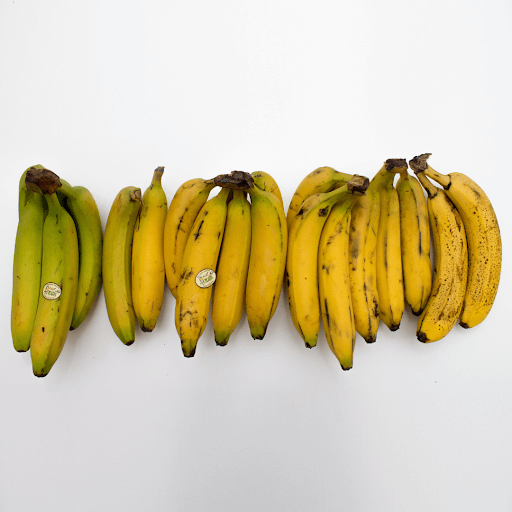
- Green Bananas (Under-ripe bananas): These are a no-go for banana bread. They lack the sweetness and moisture needed for a delicious loaf.
- Yellow Bananas with a Hint of Green: These are still a bit early for banana bread, but they can work in a pinch. The flavor will be less intense, and the bread might be a bit denser.
- Bananas with Mostly Yellow Peels and Brown Spots are my sweet spot. The bananas are ripe enough to offer good sweetness and moisture without being overwhelming.
- Bananas with A Mostly Brown or Black Peel: This is where the magic happens! These bananas will deliver the most intense banana flavor and the moistest crumb.
- Bananas with Black Peels (Not Rotten): Don’t be put off by the color! These bananas are perfectly acceptable for banana bread, especially if you don’t mind a powerful banana flavor. Just make sure there’s no mold or off-putting odor.
A Speedy Guide to Ripening Up Green Bananas
While overripe bananas are the best option for the most flavorful banana bread, sometimes you have the opposite problem and don’t have the time to wait. Here are a few ways to ripen your bananas faster:
Trap the Ethylene:
- The Paper Bag Route: Ethylene gas is a natural ripening agent produced by fruits. Place your bananas in a brown paper bag to trap the ethylene gas, which accelerates the ripening process. Sometimes, I even throw in an apple, pear, or avocado, as they also release ethylene, further speeding things up.
- Plastic Wrap Variation: While not ideal, I sometimes use plastic wrap in a pinch. However, unlike paper bags, plastic traps both moisture and ethylene gas. This can lead to the bananas ripening unevenly and the peels turning mushy faster. If you choose this method, check on your bananas frequently.
Warmth Works Wonders:
- Find a Sunny Spot: Place your bananas on a sunny windowsill or counter. The warmth will help accelerate the ripening process. However, avoid direct sunlight for extended periods, as it can cause the bananas to spoil.
- The Oven Trick (for baking soon): This method is best if you use the bananas immediately. Preheat your oven to 300°F (150°C). Place the bananas (unpeeled) on a baking sheet. Bake for 15-20 minutes until the peels turn brown and the bananas soften. Keep an eye on them, as they can quickly go from ripe to overripe.
Important Note:
The above methods will not completely ripen green bananas for baking. They’ll help with slightly green or mostly yellow bananas with a hint of brown. If your bananas are very green, it’s best to wait them out naturally or use another baking recipe that works with unripe bananas, like banana muffins made with baking soda.
Beyond Banana Bread: Utilizing Overripe Bananas
I think banana bread is the best way to use up overripe bananas, but it’s not the only option! Here are some other delicious ways I prevent food waste and get creative with those browning bananas:
- Banana Pancakes or Waffles: A mashed banana adds natural sweetness and moisture to pancakes and waffles. Remember to top them with fresh fruit and maple syrup!
- Banana Smoothies: Frozen bananas are a fantastic base for creamy and nutritious smoothies. Don’t forget the peanut butter for the tastiest duo ever!
- Banana Muffins or Banana Nut Muffins: Similar to banana bread, muffins are another easy way to use overripe bananas. They’re perfect for a quick grab-and-go breakfast or a great snack.
- Banana Cake or Banana Cupcakes: For a special occasion, transform your overripe bananas into a decadent banana cake or cupcakes with chocolate chips.
- Banana Bread Pudding: Turn leftover banana bread into a delightful bread pudding dessert.
Here’s the great thing about using overripe bananas: You can freeze them for a later time. Just peel them, break them into chunks, and throw them in freezer bags or an airtight container. Frozen bananas are perfect for throwing into smoothies, pancakes, or, of course, banana bread!

Frequently Asked Questions (FAQ’s)
Q: How brown should bananas be for banana bread if I want strong flavor?
A: Go for heavily speckled or mostly brown peels. The darker they are, the sweeter and more pronounced the banana flavor will be in your loaf.
Q: Do frozen bananas work just as well for banana bread?
A: Absolutely. Thaw them first and use all the liquid too. Frozen ripe bananas are perfect for baking and actually mash even easier.
Q: Can I speed up banana ripening if I need them today?
A: Yes! Pop them in a paper bag with an apple for a day or two. Need them faster? Bake unpeeled bananas at low heat until the skins darken and they soften inside.
Q: Can I use plantains instead of bananas for banana bread?
A: Not quite. Plantains are starchier and less sweet, even when ripe. You’d need extra sugar and adjustments to the recipe, so it won’t taste like classic banana bread.
Q: Can I mix ripe and underripe bananas in the same banana bread?
A: Absolutely! Using a mix can balance flavour and texture. The ripe bananas bring sweetness, while the firmer ones add a subtle banana taste without too much sugar.
Bake It Bold and Don’t Fear the Brown Spots
At the end of the day, those spotty bananas on your counter are baking gold. Once you know how brown should bananas be for banana bread, it’s easy to turn overripe fruit into a loaf that’s sweeter, softer, and full of flavor. A few extra brown speckles usually mean better results.
Give it a try and see the difference in your next batch. If you’ve got your own banana bread tricks, drop a comment and share them with us—we’re always swapping kitchen tips.
And hey, if you’d rather skip the cooking and just enjoy delicious food, visit our store here: https://mortadellaheadstore.com/





One Response
You couldn’t let some bananas get BLACK and provide a picture of an OVER RIPE BANANA?